When I was staying in Jerusalem, in my late teens, I once walked out of the Central Bus Station onto a scene that made my fingers move spontaneously towards my camera. A man with only stumps where his legs should have been rested against a wall, while the wooden replacements stood redundant beside him. The man and the legs were of equal height and the scene had the makings of a great picture. Whoever I was with at the time (I can't remember whether it was Gary the photographer, Michael, now a Rabbi, or the bloke I was hanging out with because he told me he lived in Bath's Royal Crescent) noticed the twitch towards my camera and simply said "Don't". Years later I am still grateful for this small exchange. To my teenage self, poverty, disease and madness had a kind of glamour, and I am glad that one of those lovely men sowed the seed of questioning whether I wanted to photograph people who were on their knees (or stumps).
Last summer, while at Fotografiska in Stockholm to see an awe-inspiring exhibition of portraits by legendary photographer Helmut Newton, we wandered through Håkan Elofsson's "Bombay Boulevard". In a short essay on the wall, before you enter into corridors of prints hung on hessian, Håkan writes of a moment of realisation in a taxi, after which he wondered whether making 'art' of people in utter poverty was really the right thing to do. He did it anyway. Looking at the pictures is completely unsettling, anger seethes from his subjects. They just want him to go away. Of course there is always a place for documentary photography. I especially love the kind that people do about themselves and their own groups. But making a name by creating clever compositions of people's shame is just not nice.
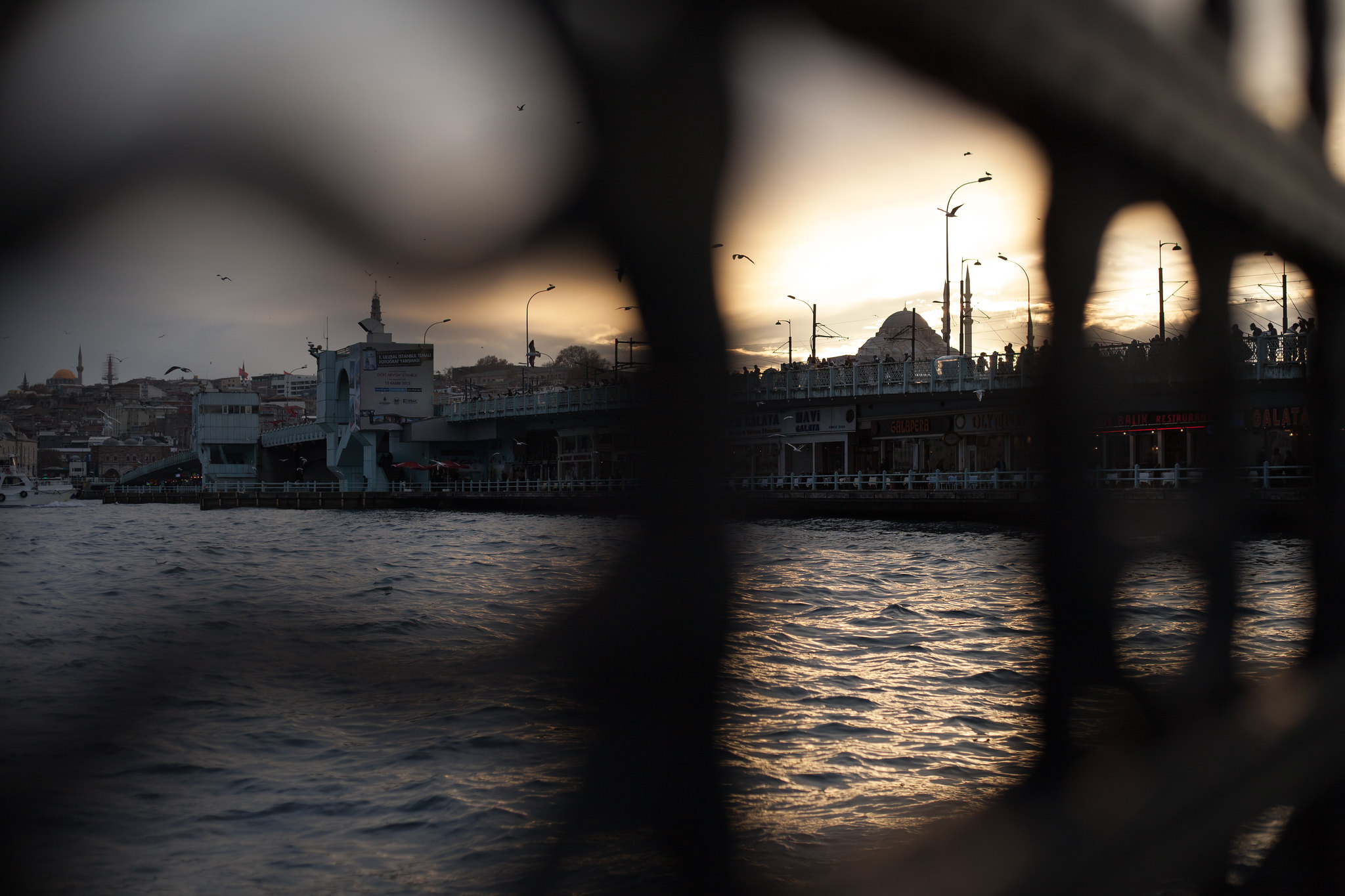
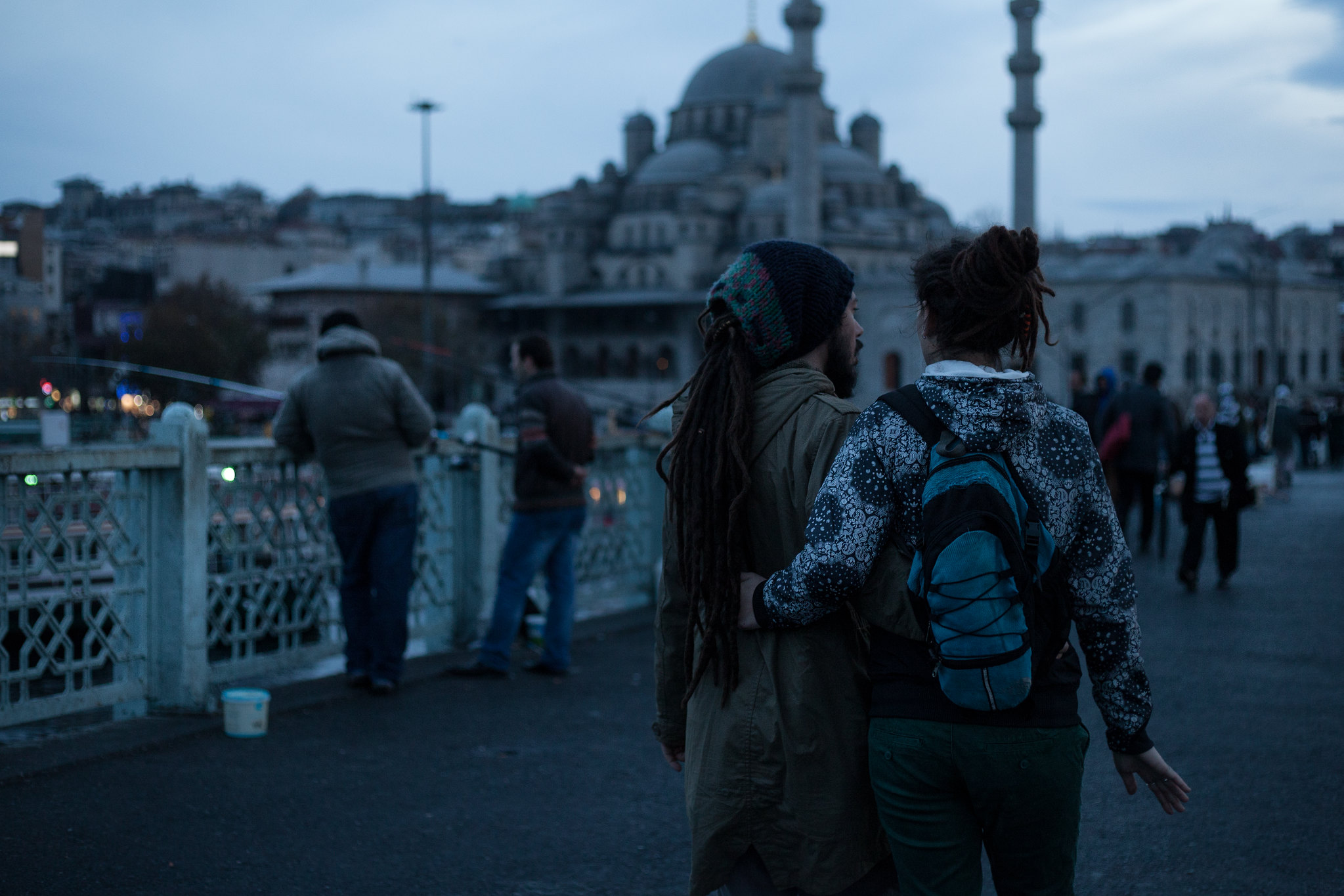
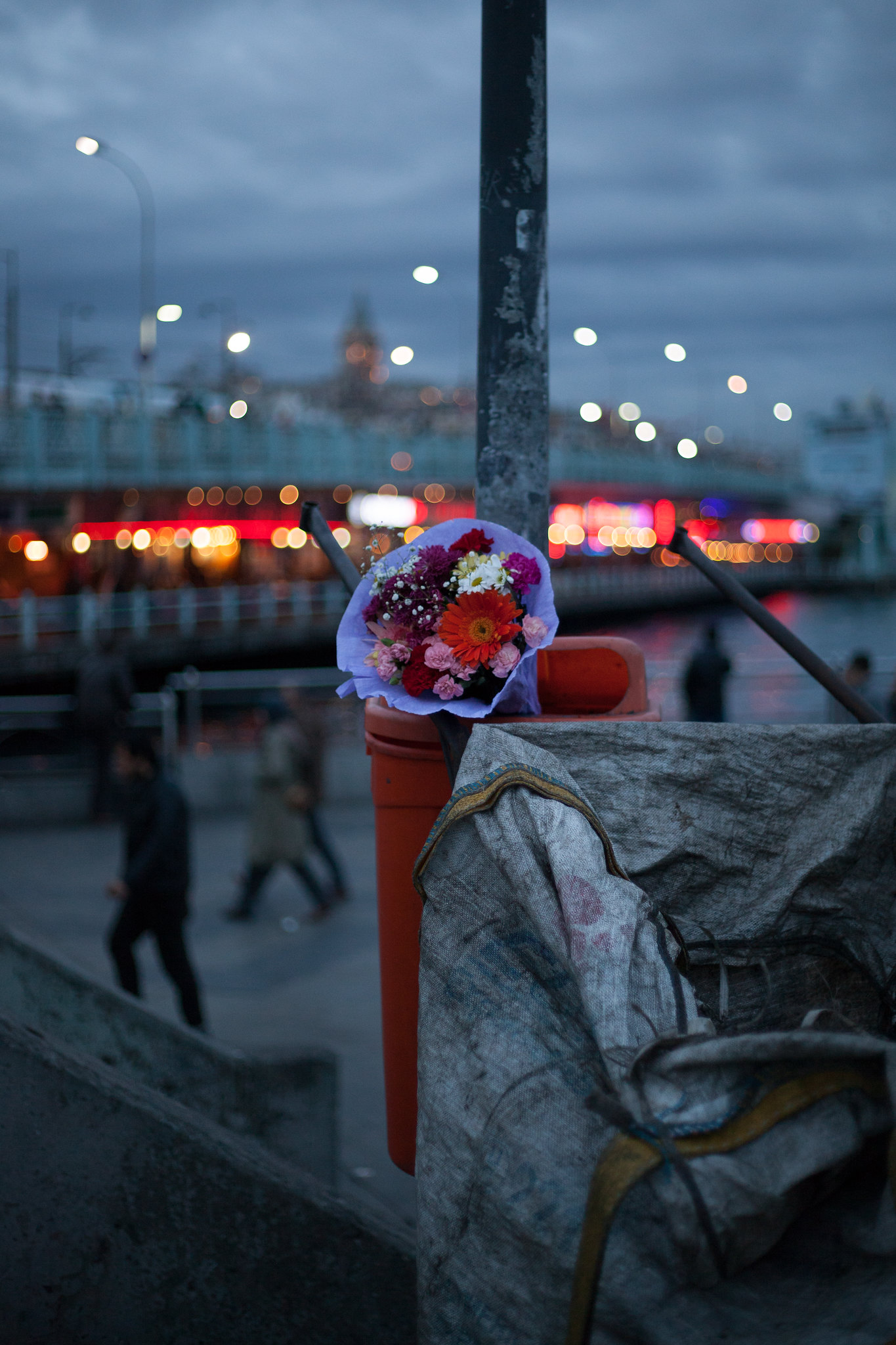
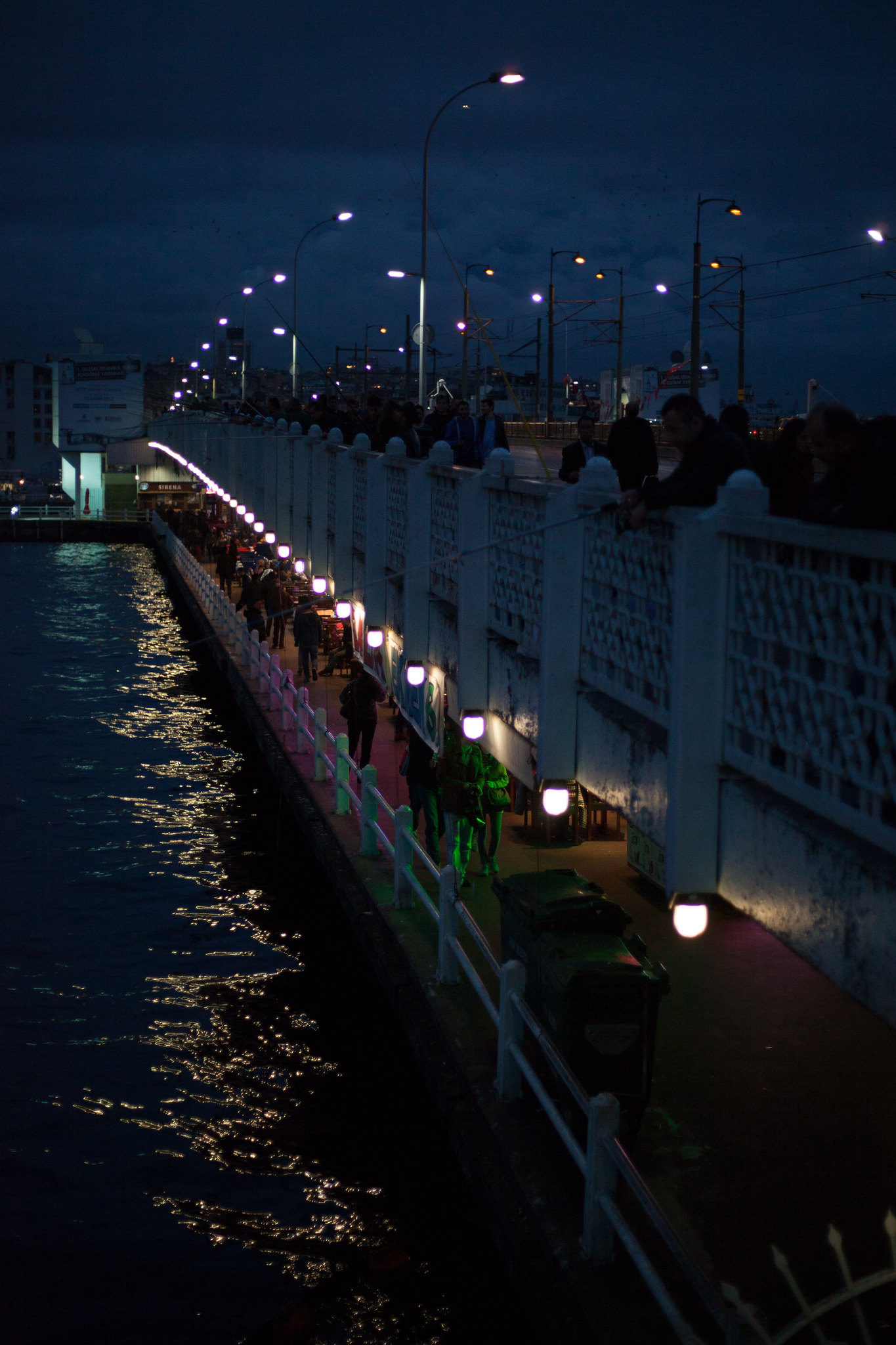
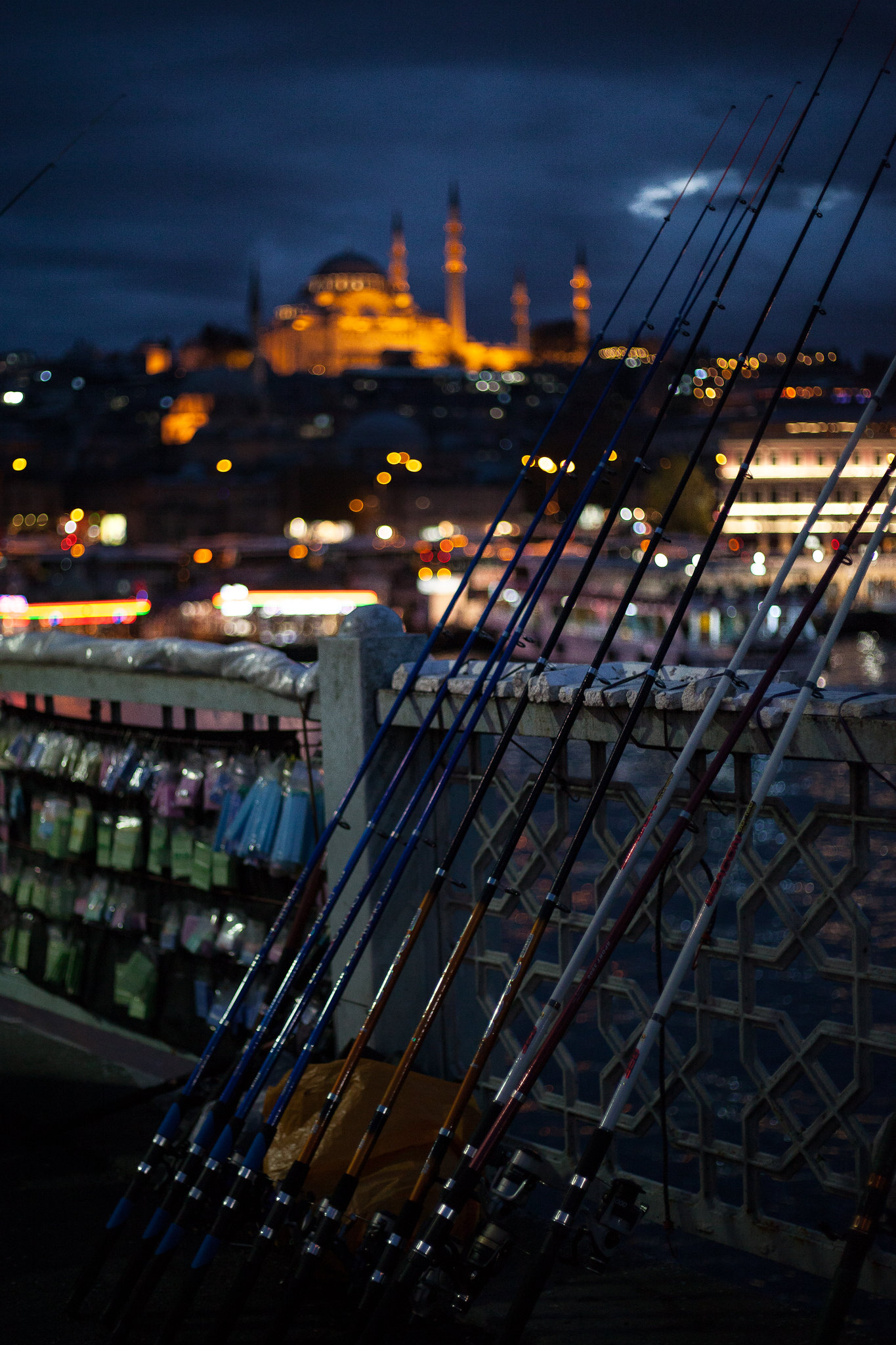
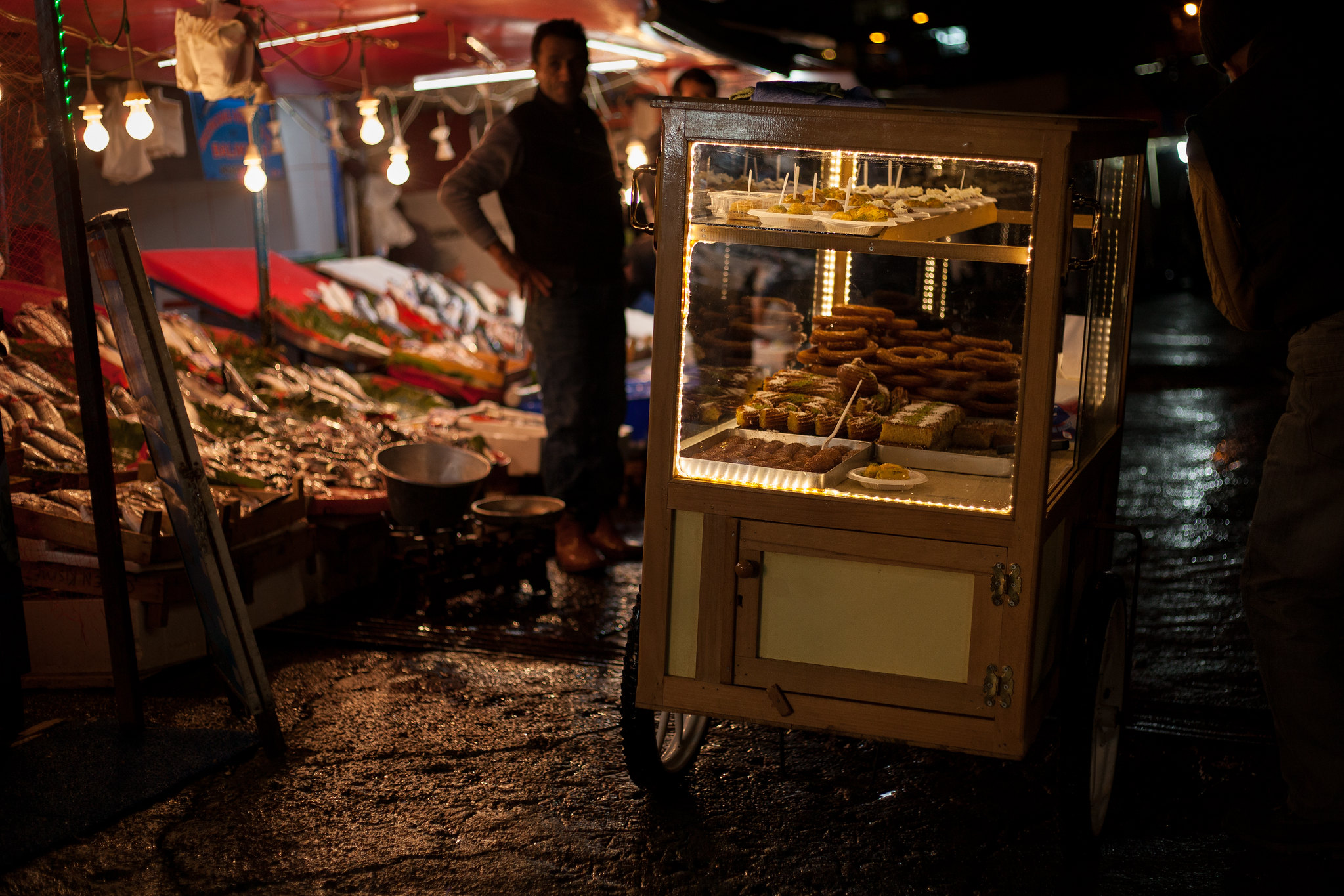
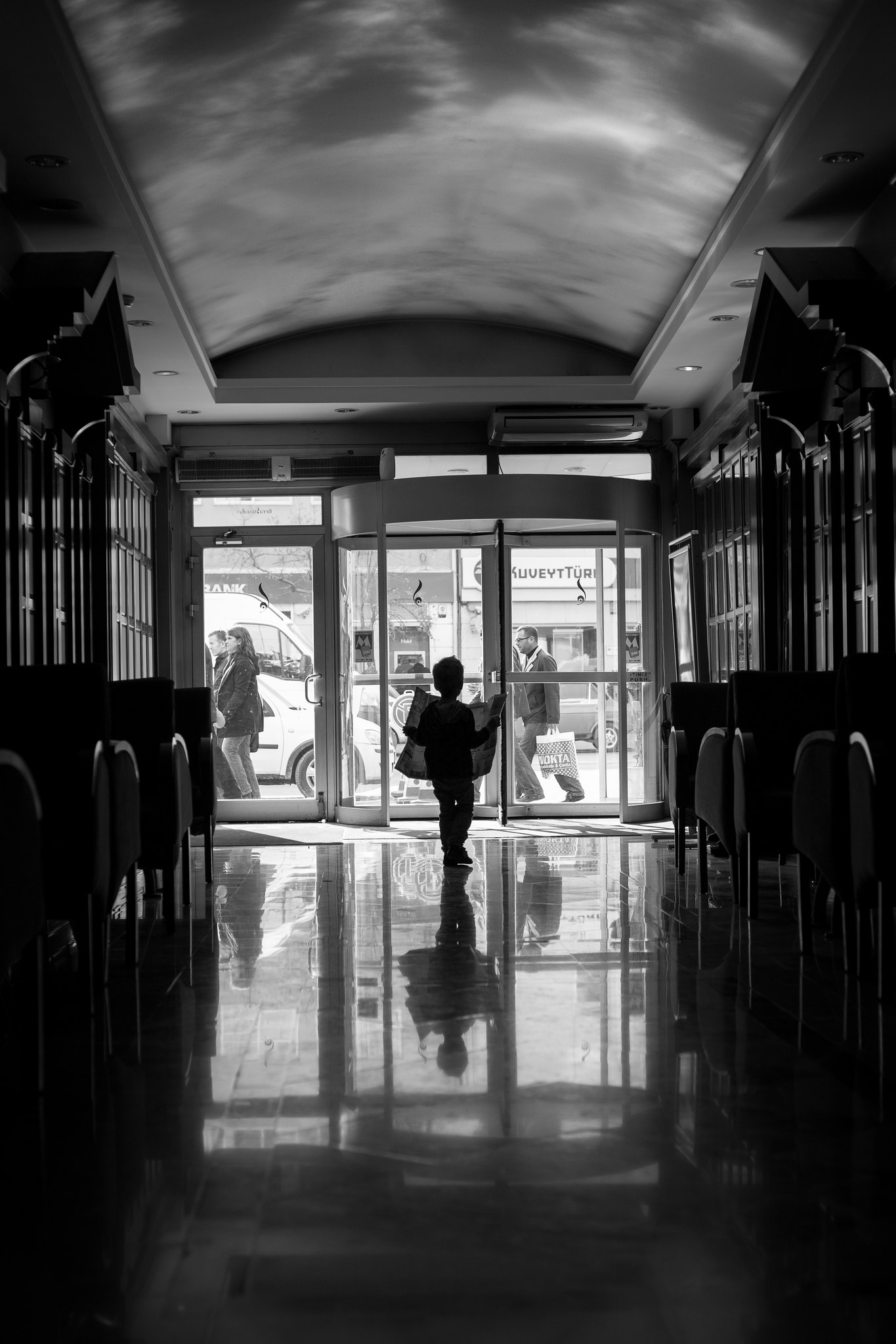
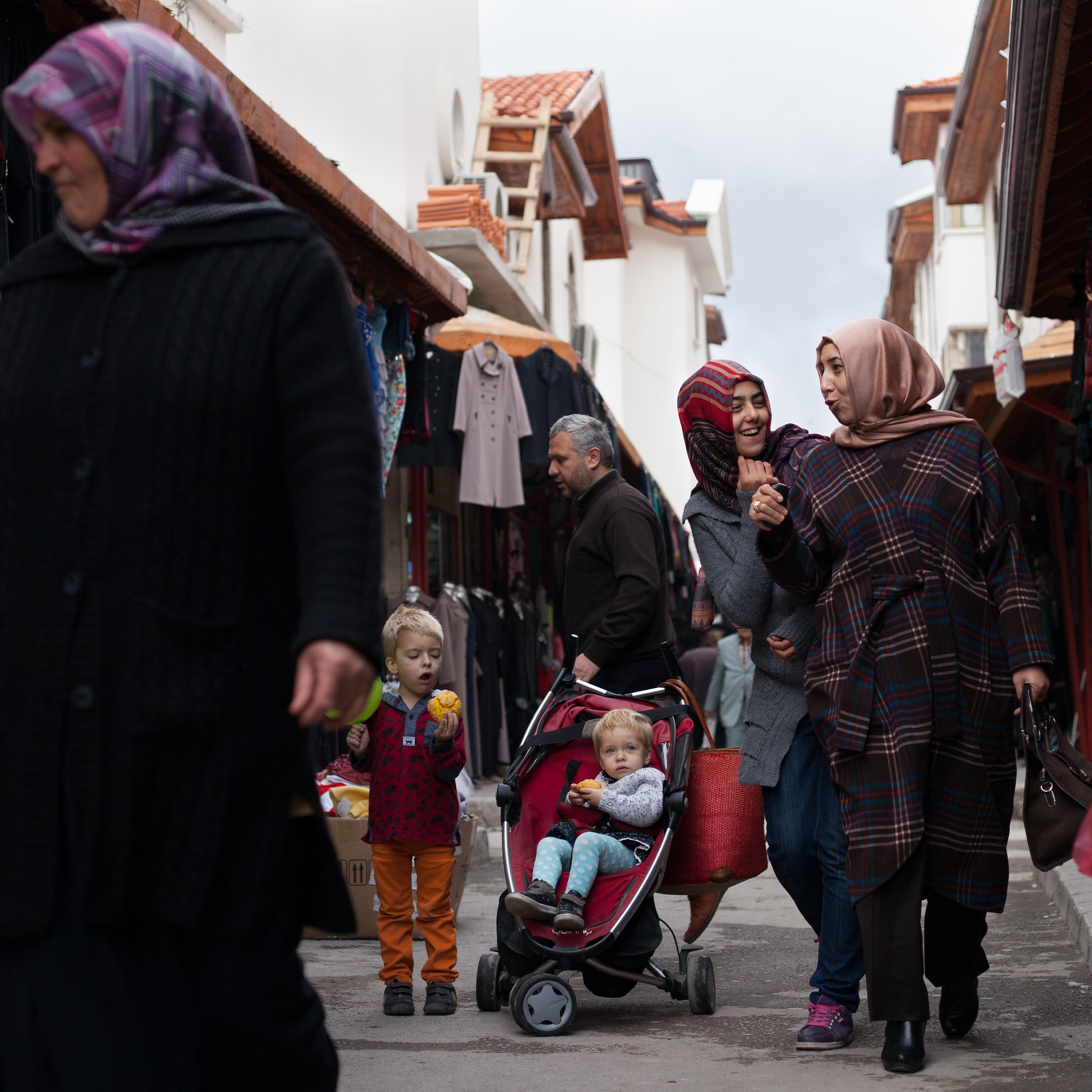
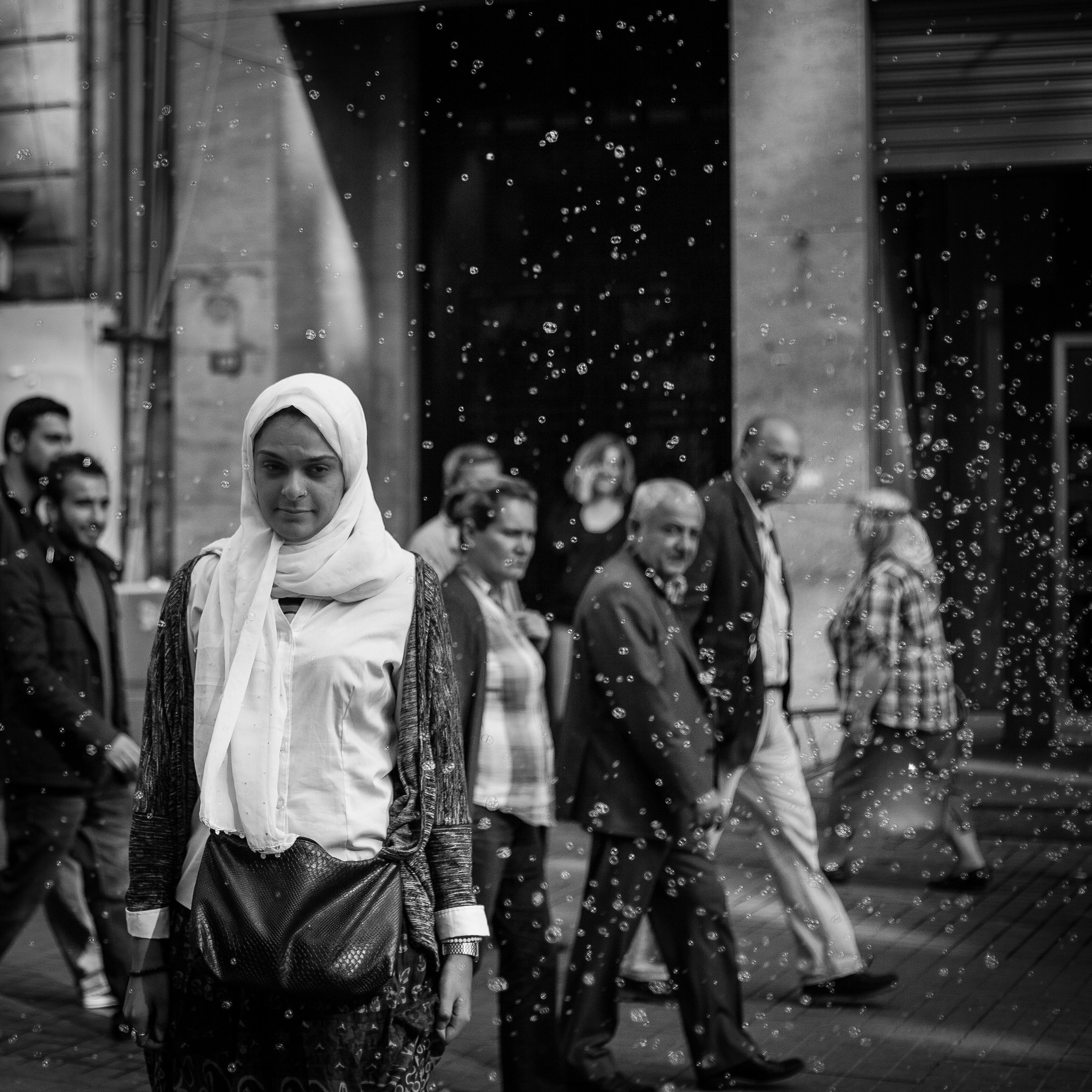
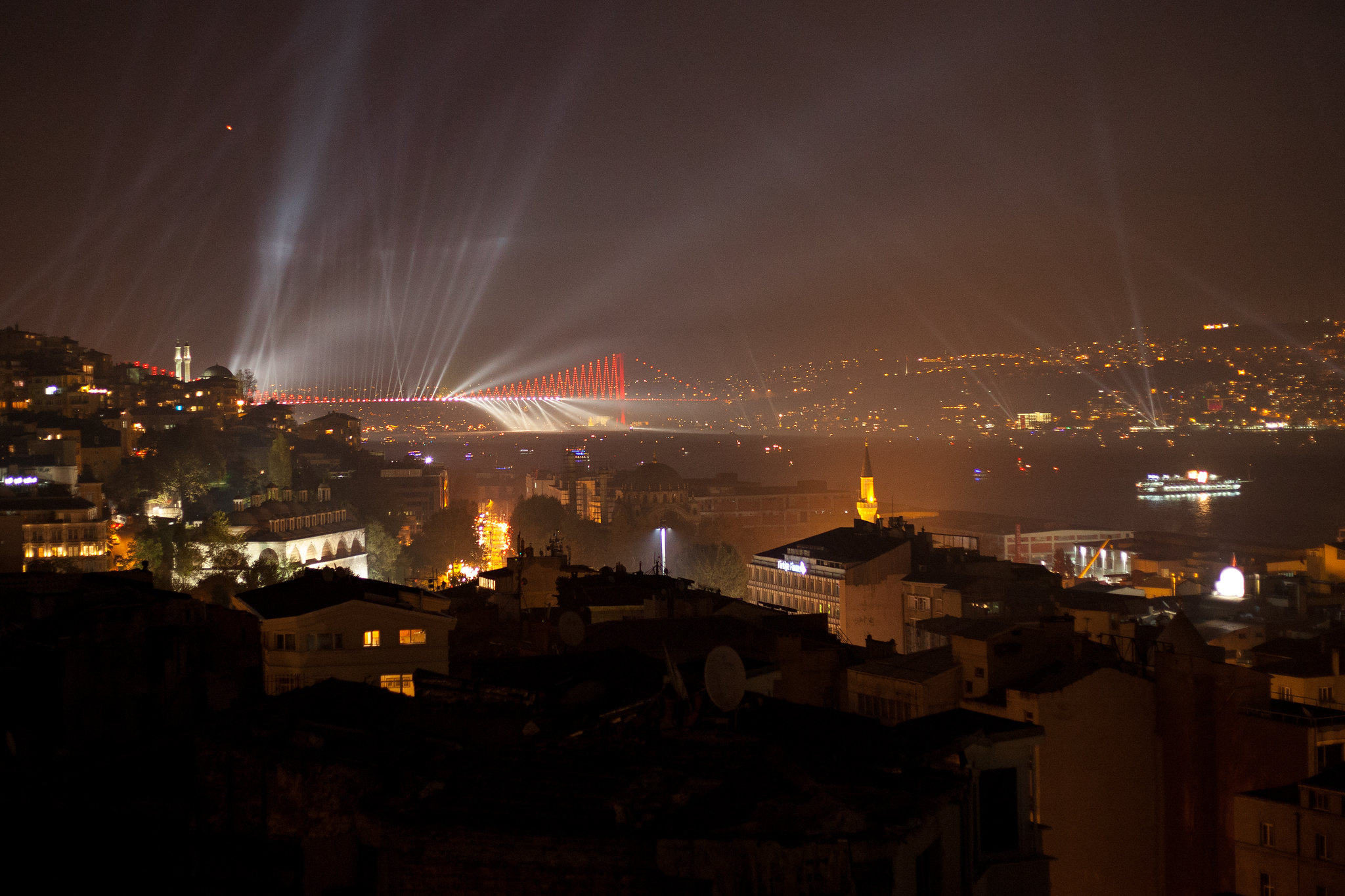
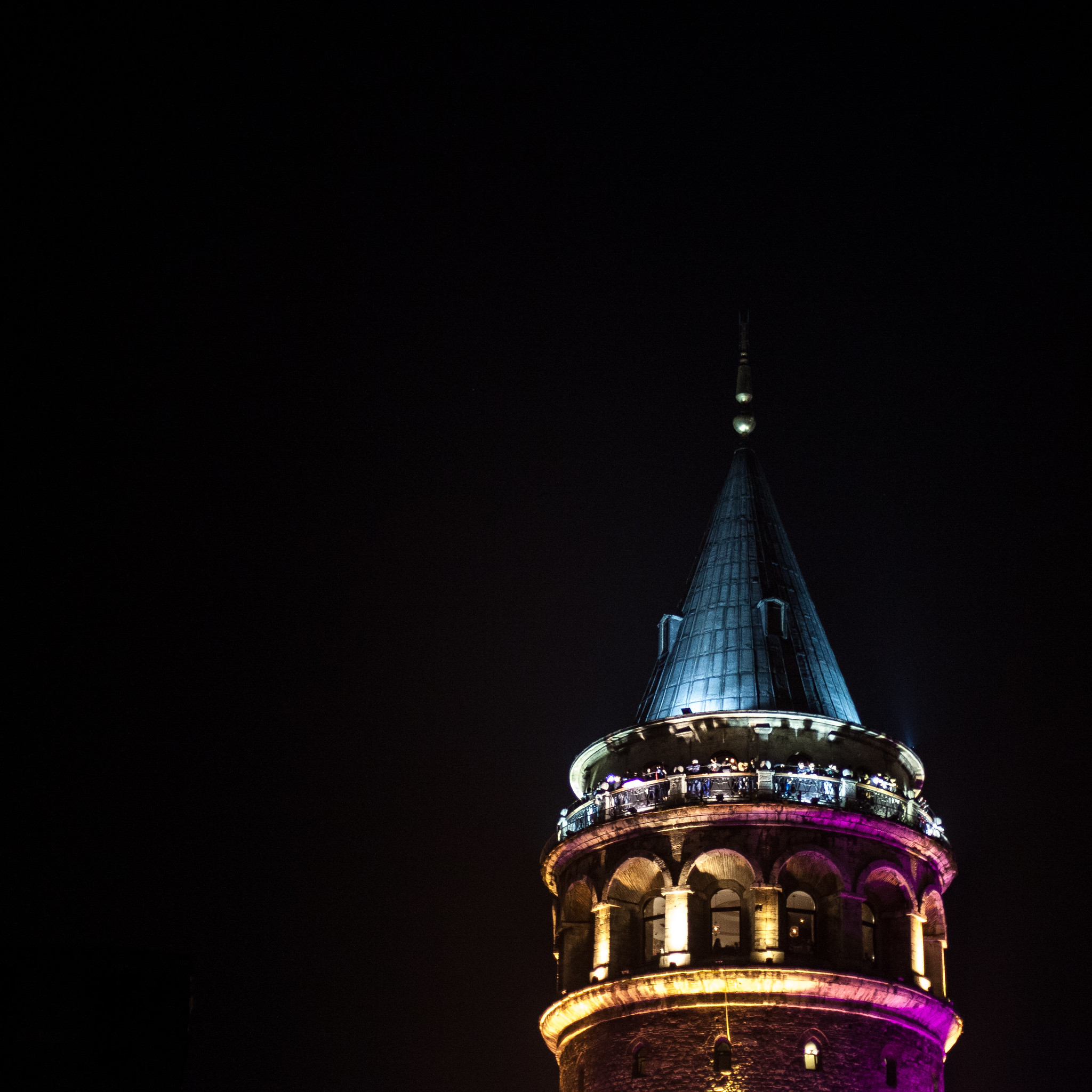
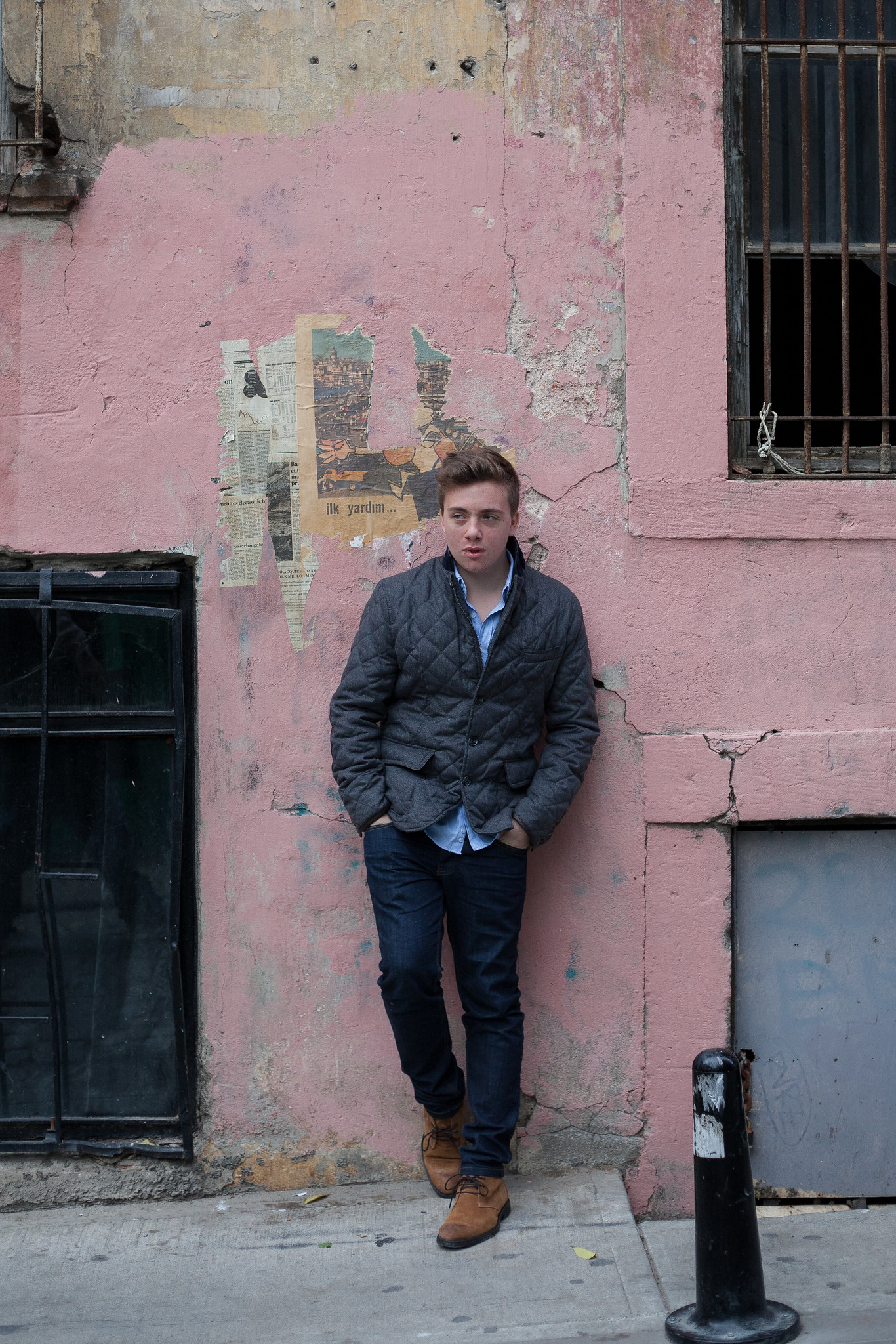
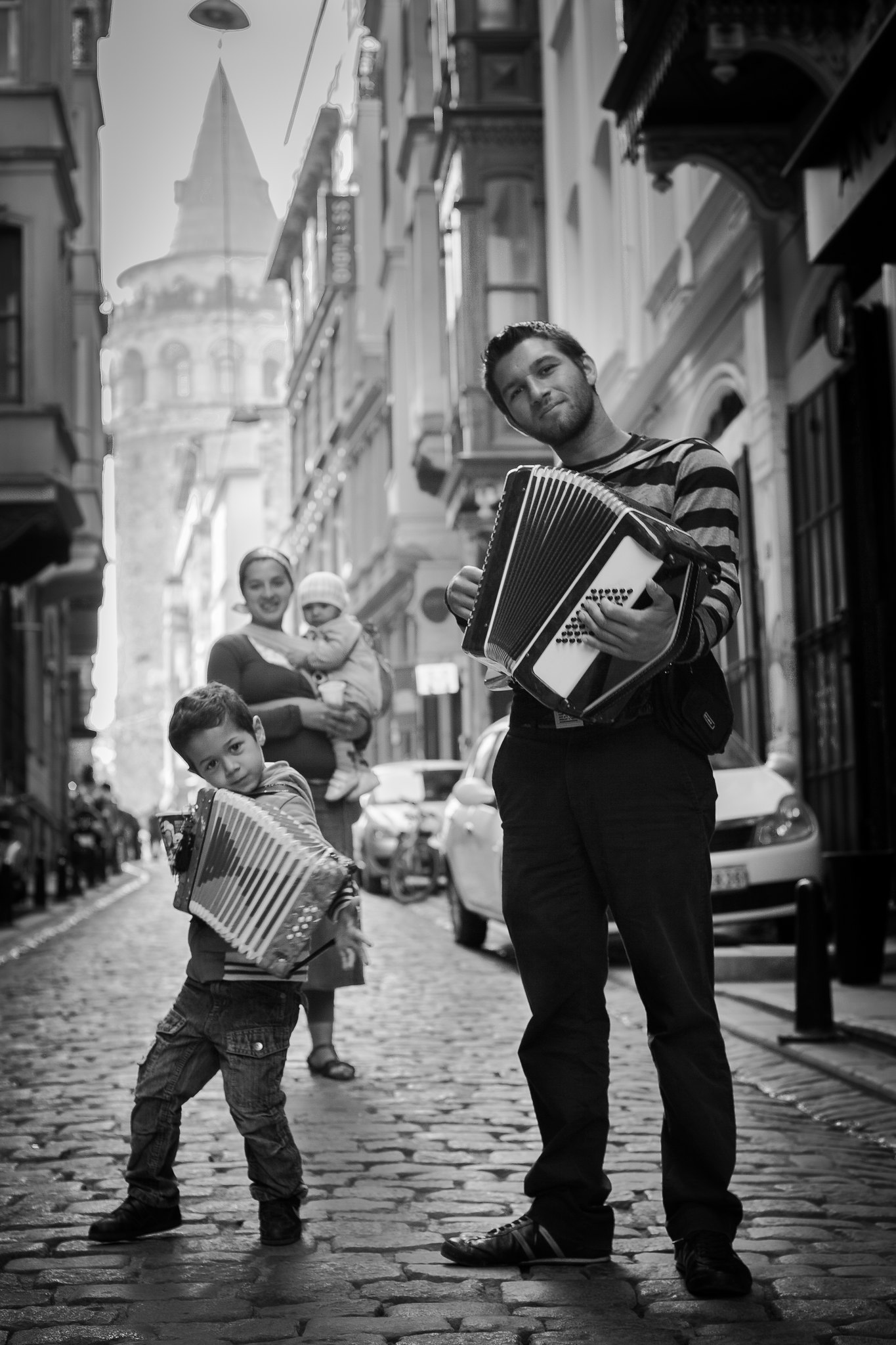
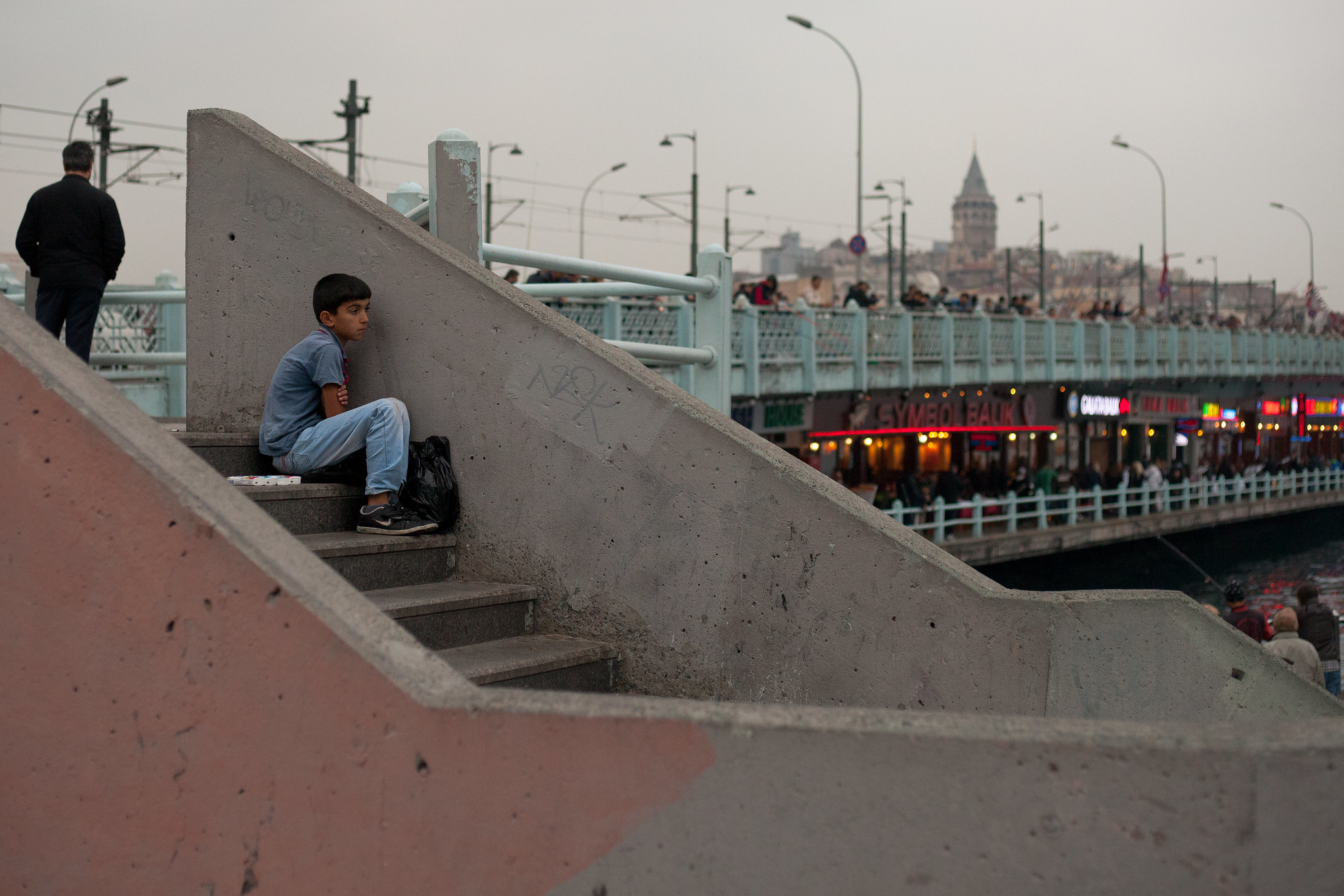
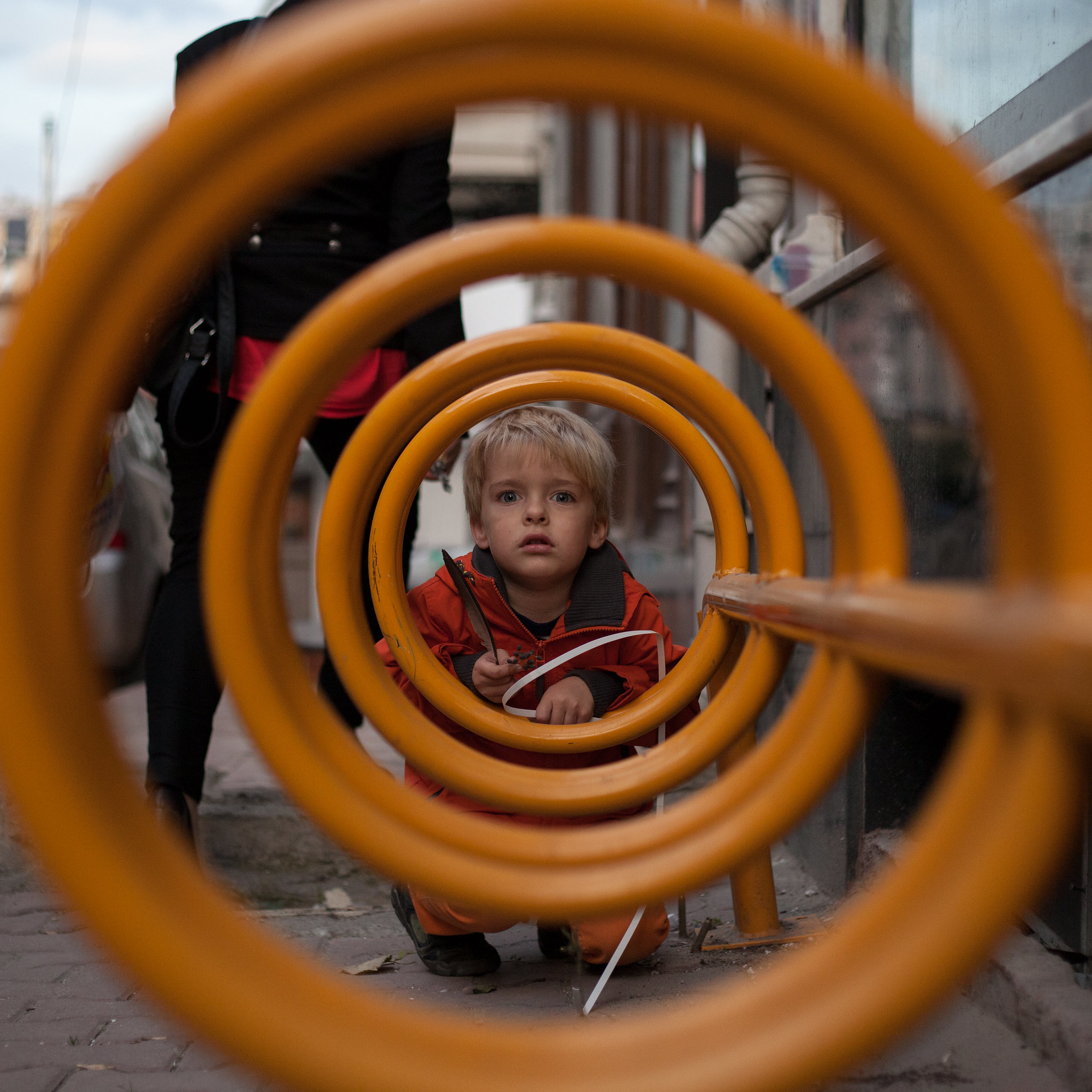
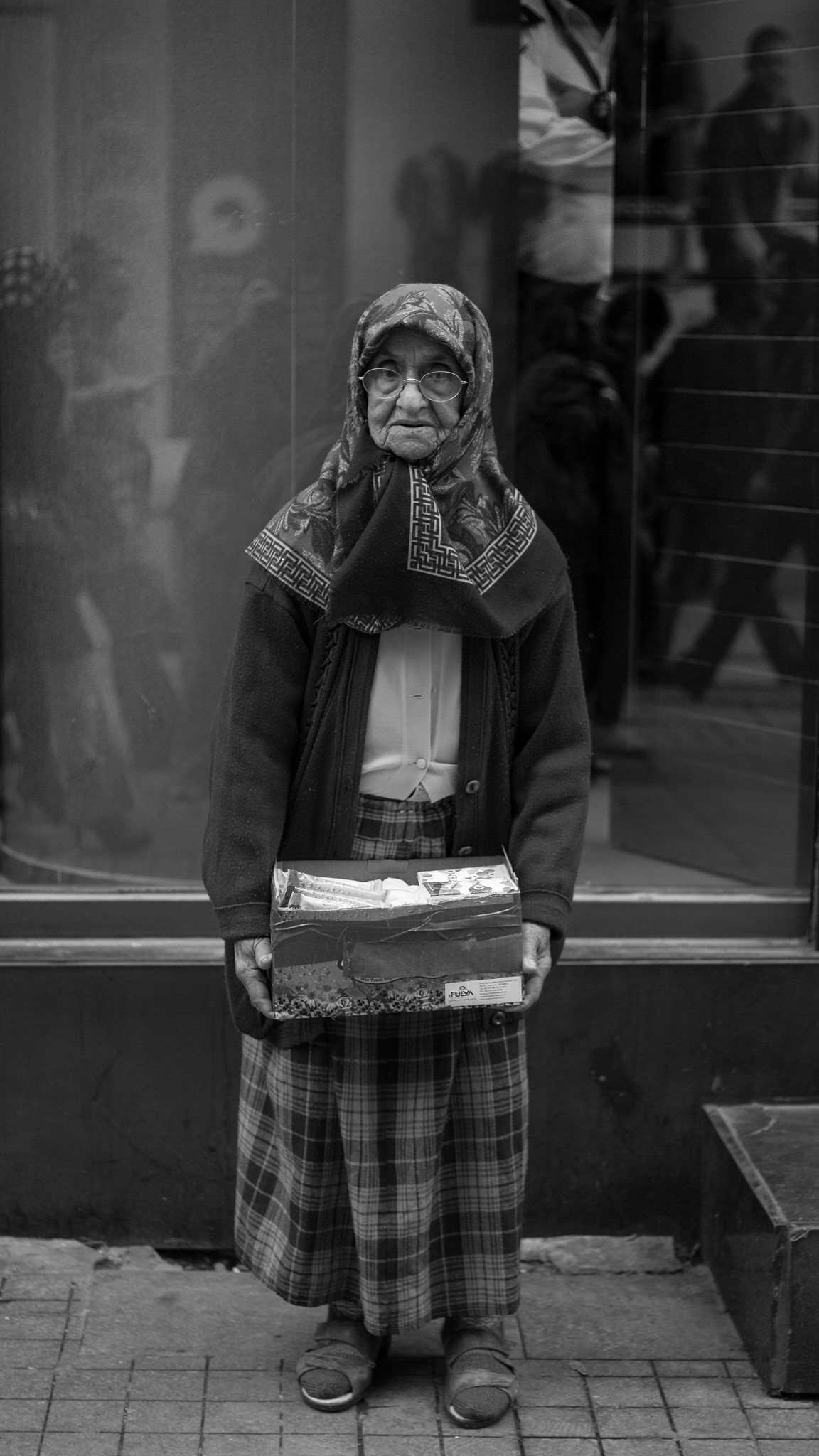
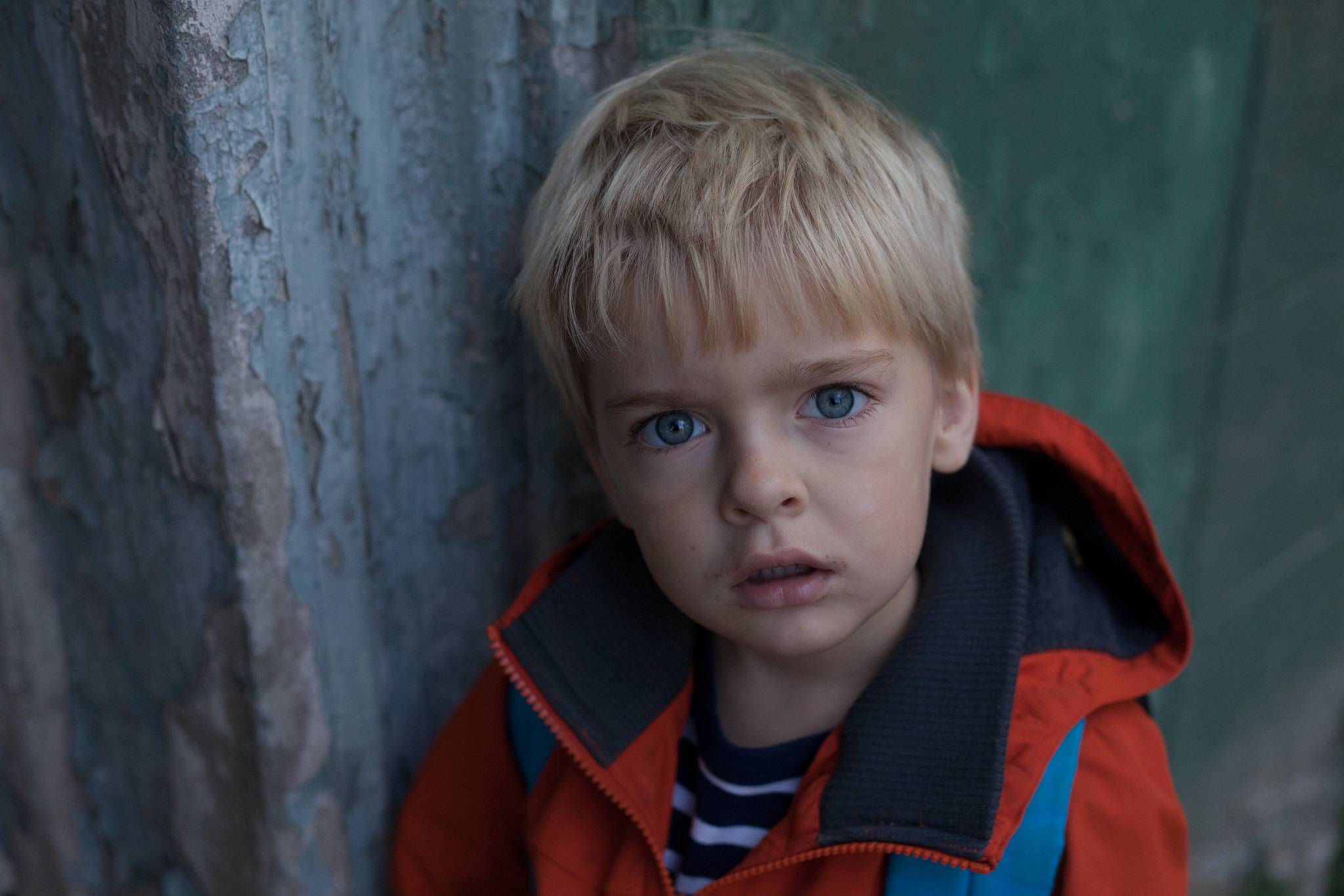
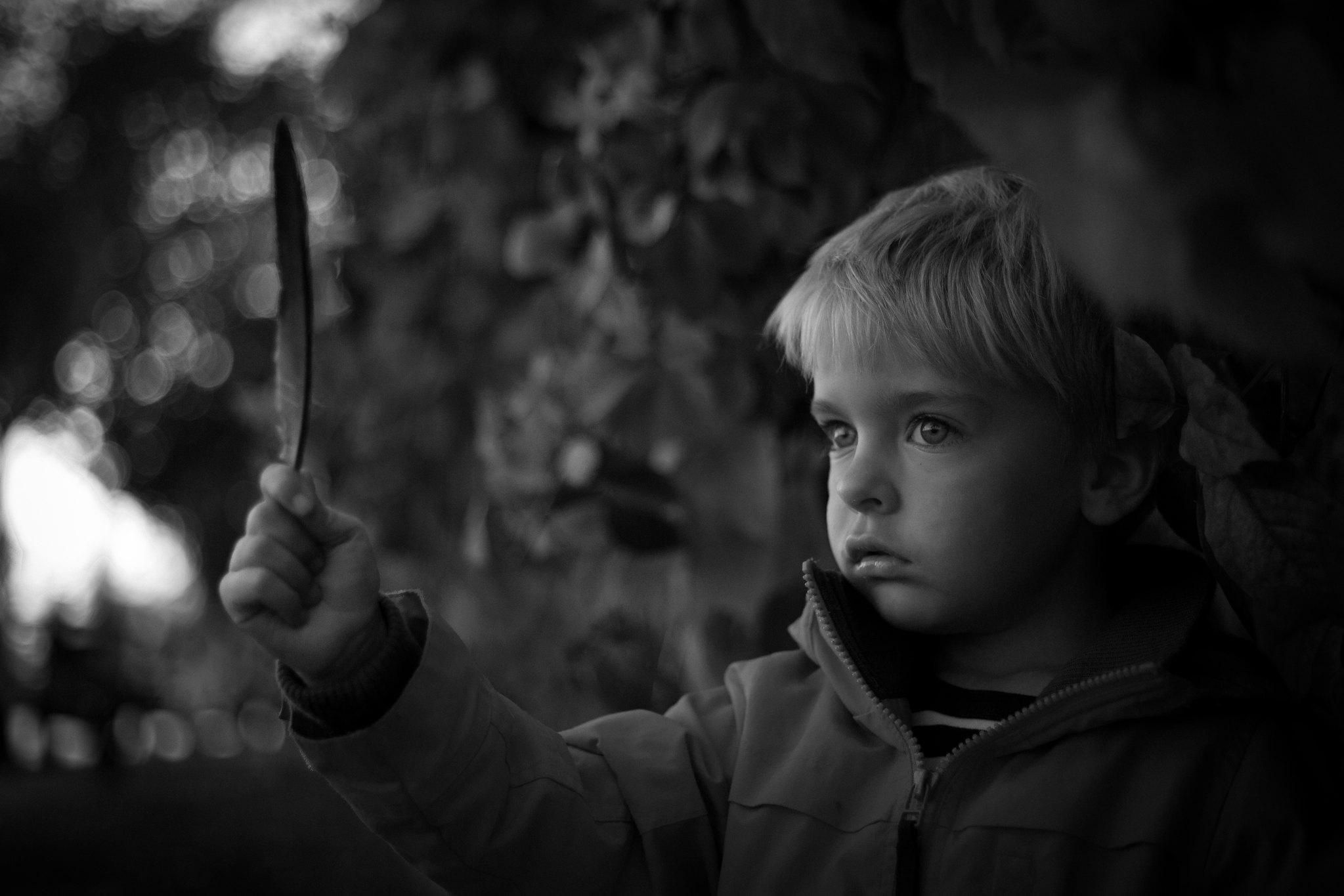
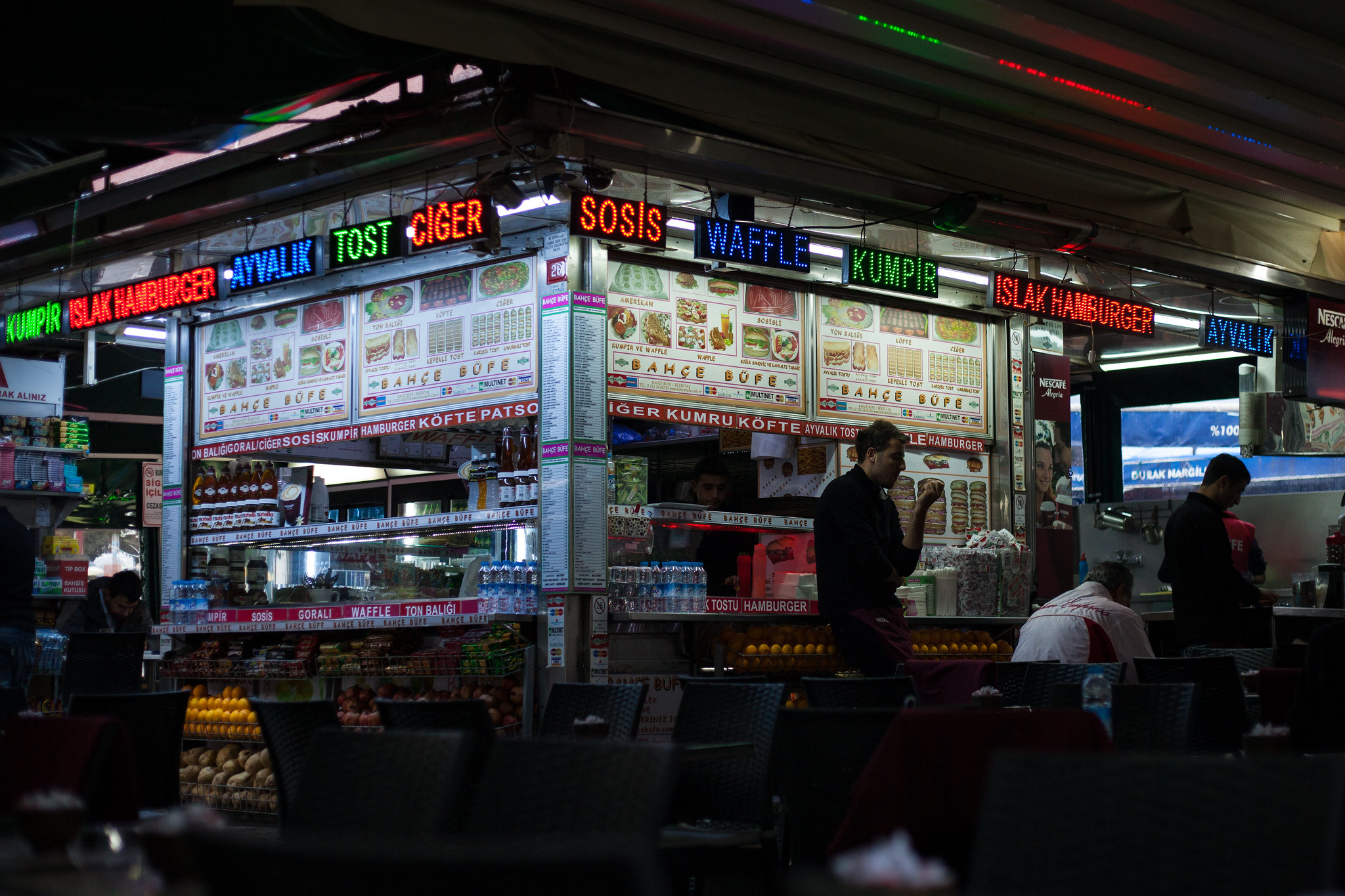
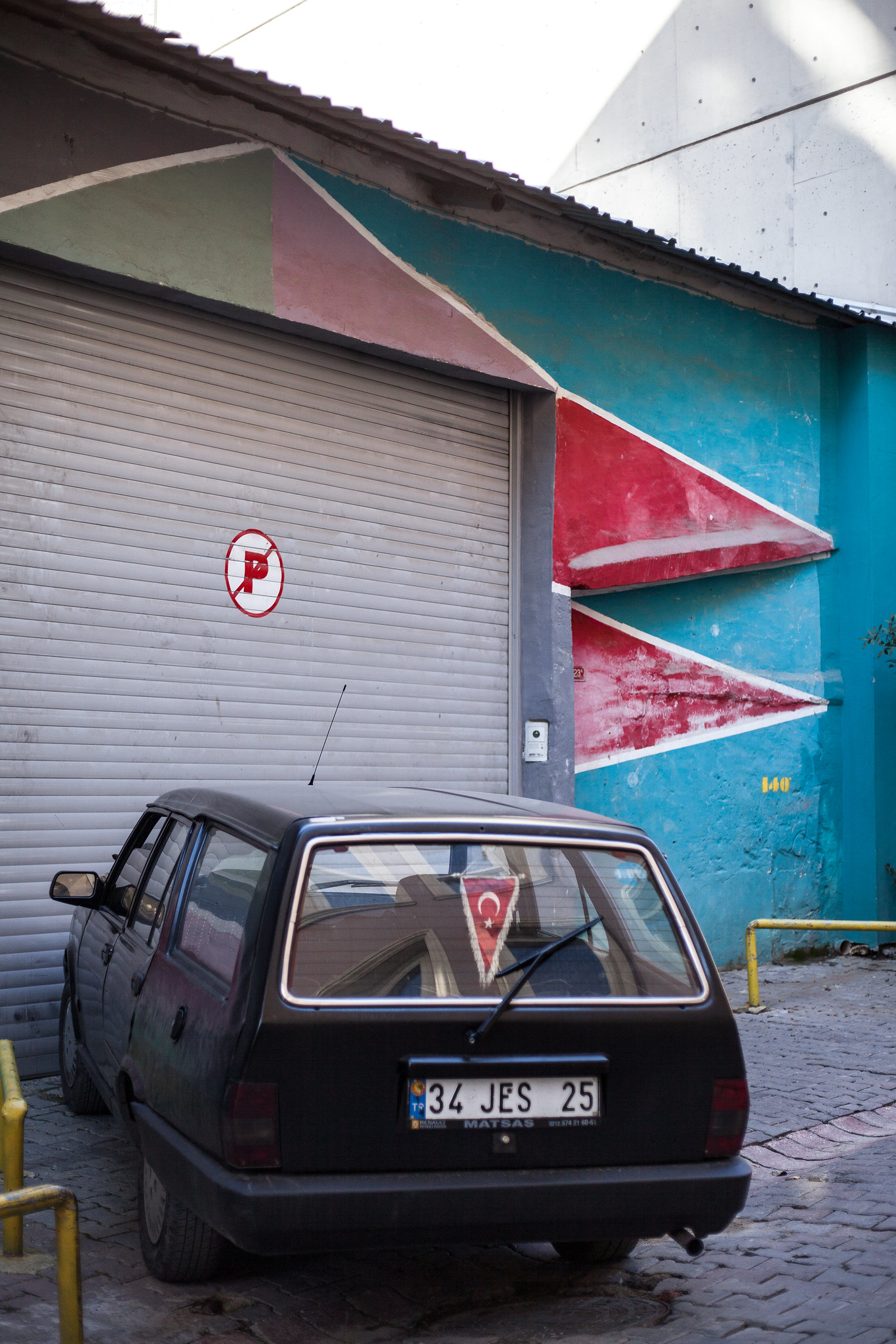
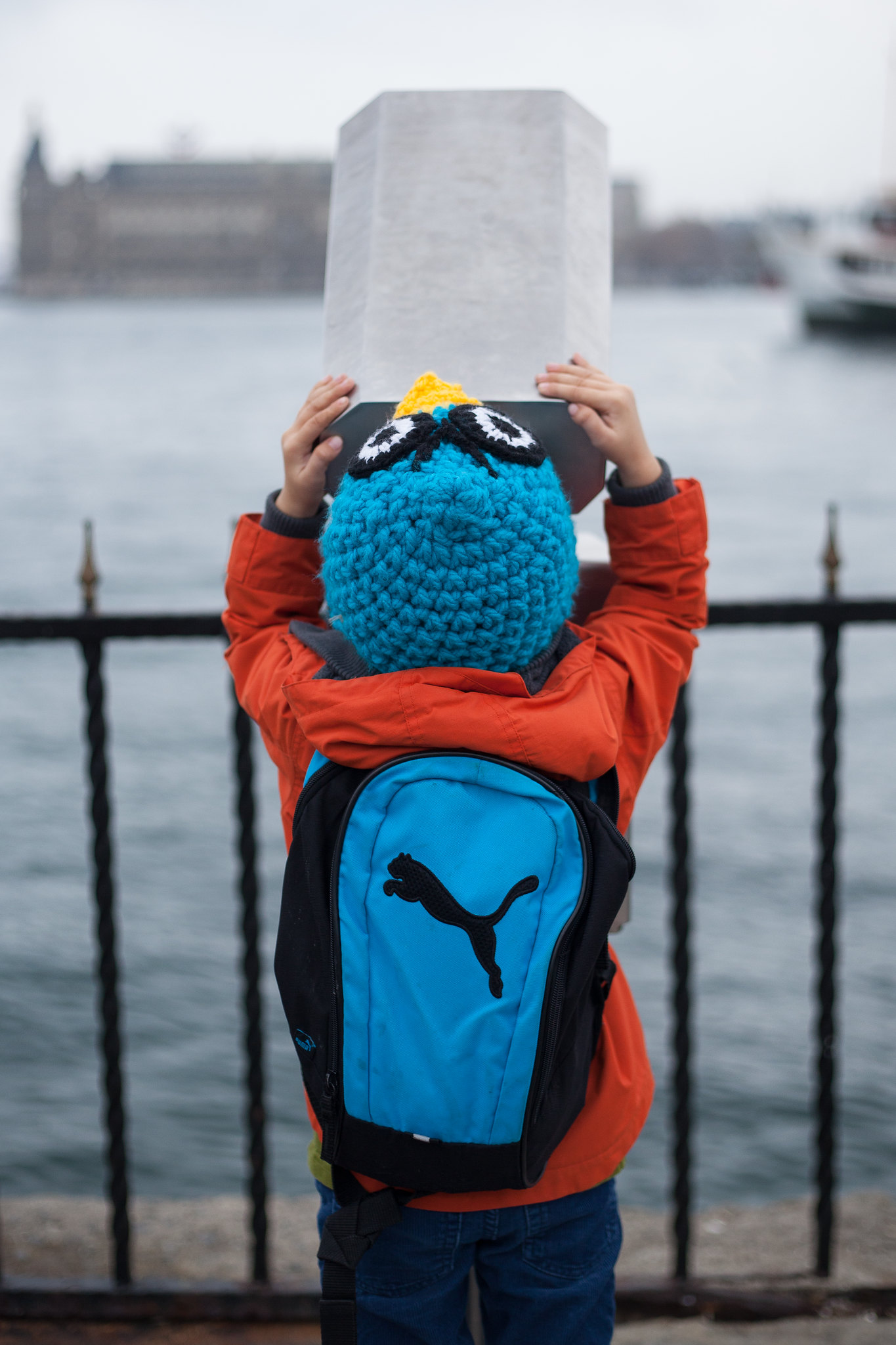
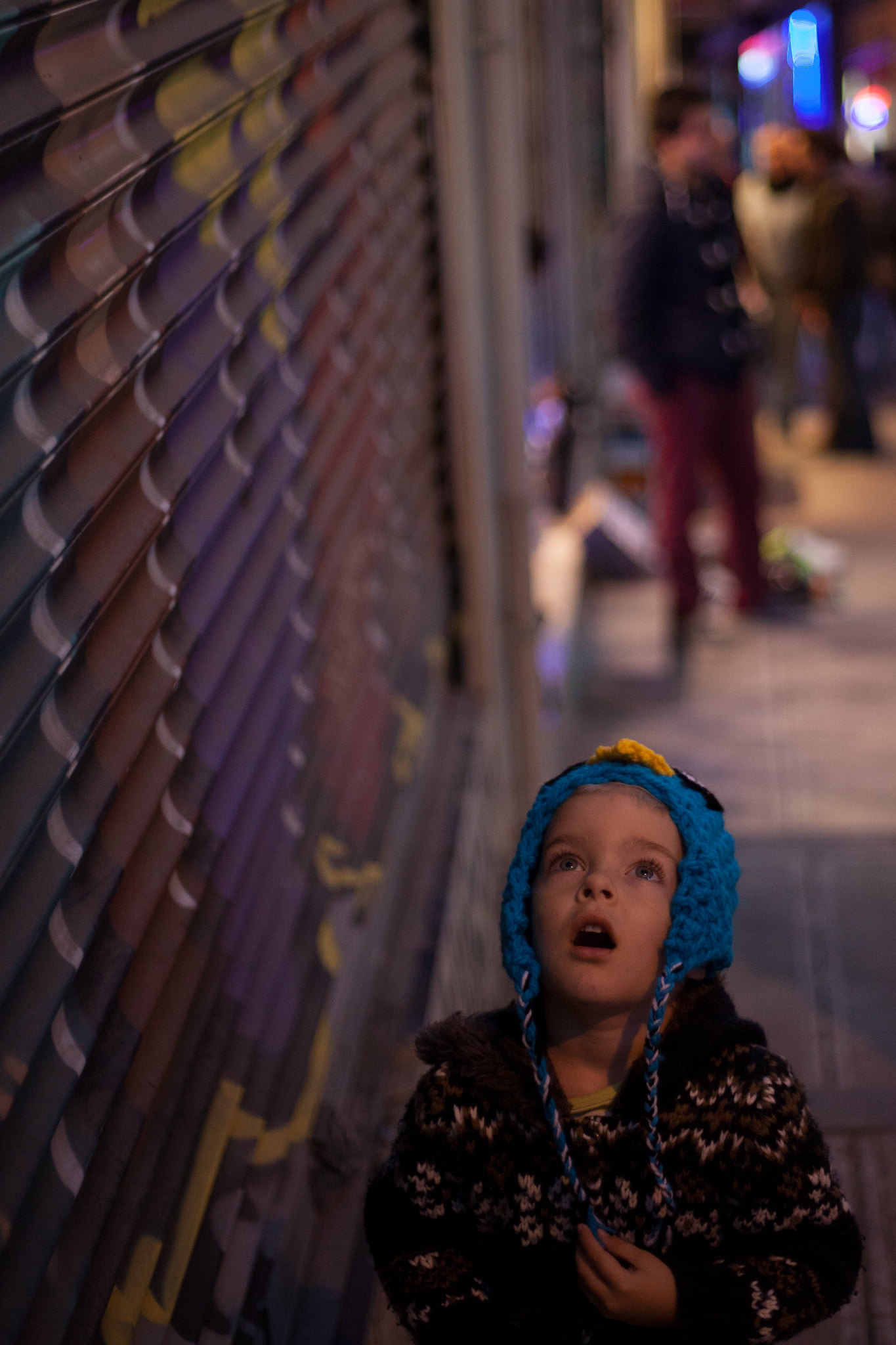
I am still waking up every morning thrilled to live where we do. The energy of all those that come to have fun here, to enjoy a precious day off, pours in through our windows. We have the privilege of living in one of the most popular spots in a vibrant city, and the context for our lives is these streets. I am captivated by the woman who is caught in a stream of bubbles on Istiklal Street. I am utterly moved by the woman, a little further along, who stands for hours selling tissues when she should have had her legs raised on a stool, blanket over her knees, for at least a decade by now. The picture of the boy, probably a year older than Matti, sat on Galata Bridge with his pile of tissues beside him, while all life rushes by, is such an uncomfortable image for me. In the distance, next to the Tower, is our home, where our children are never cold or hungry, and everything is done to make sure their choices will be vast. I can see that one of the things I need to teach my children is not to stop noticing these injustices but to click the shutter deep inside and store, to make these images seeds.
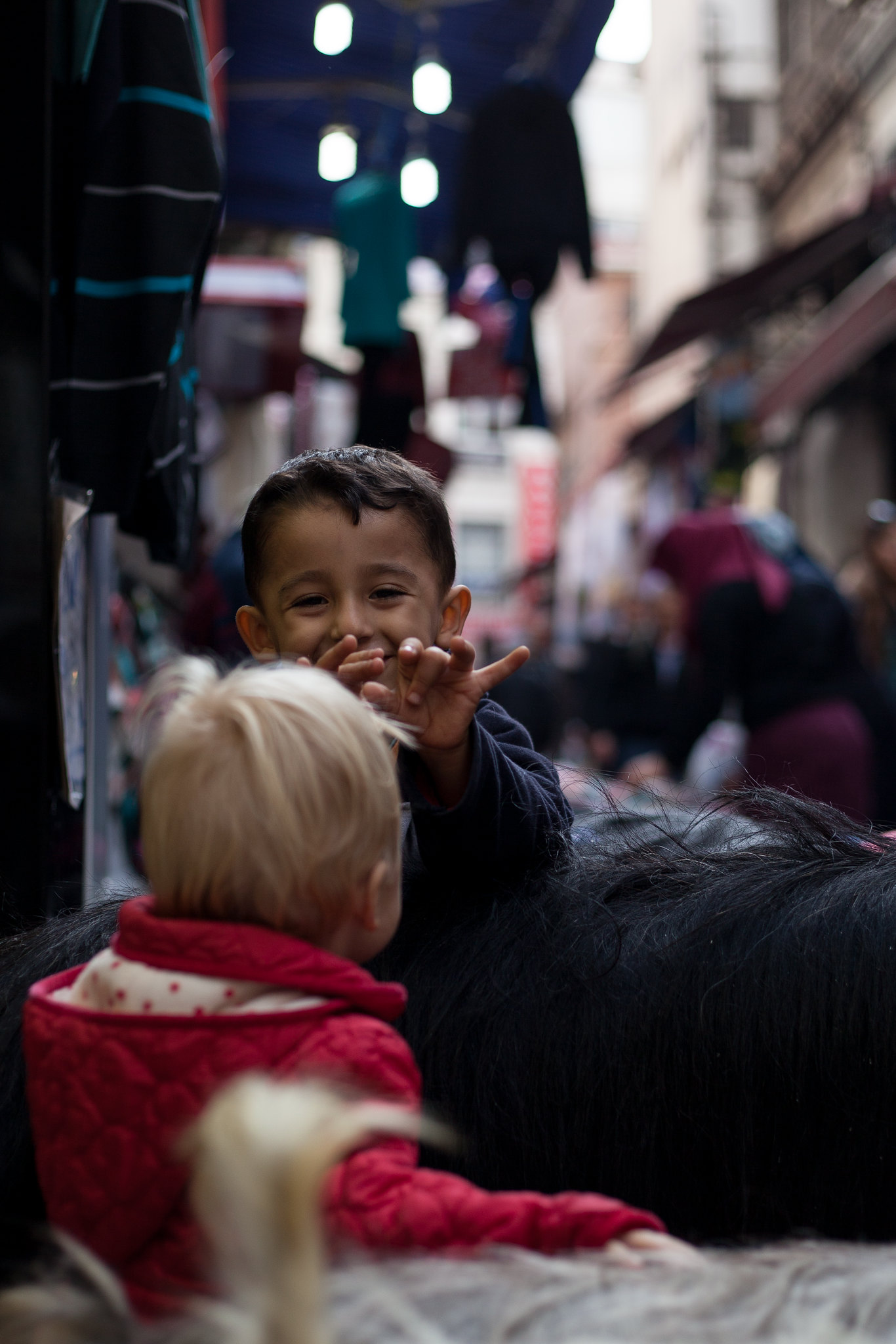
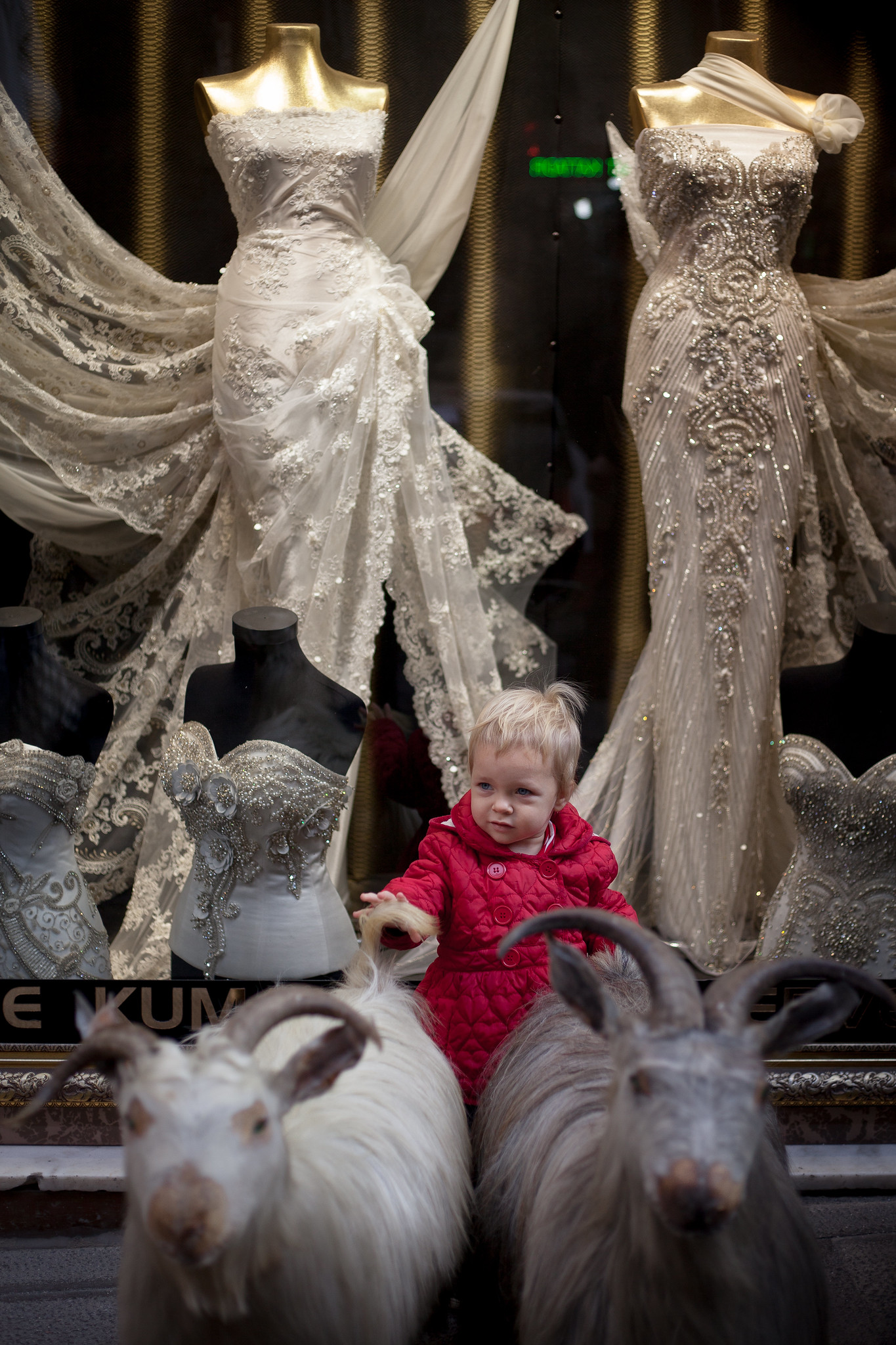
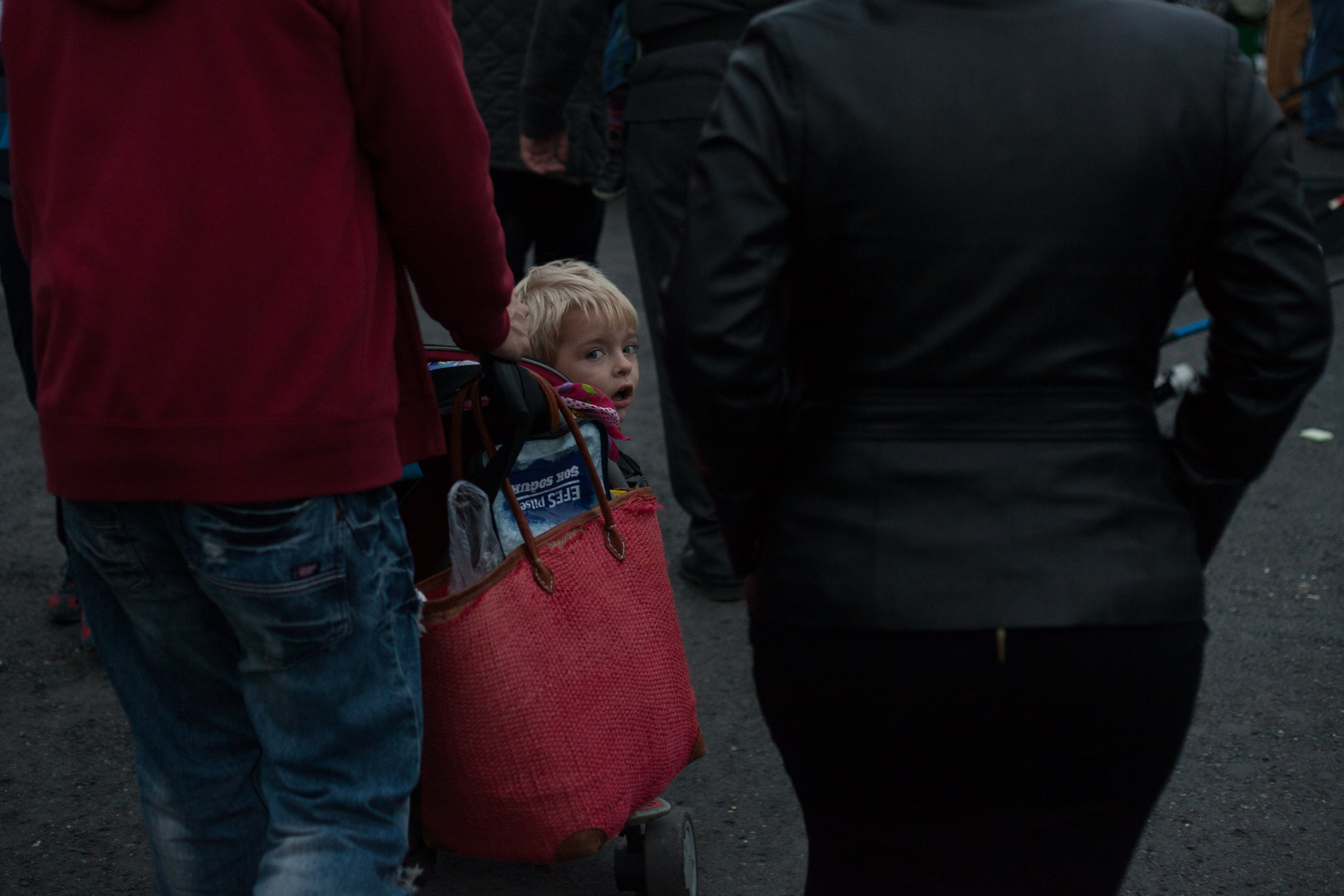
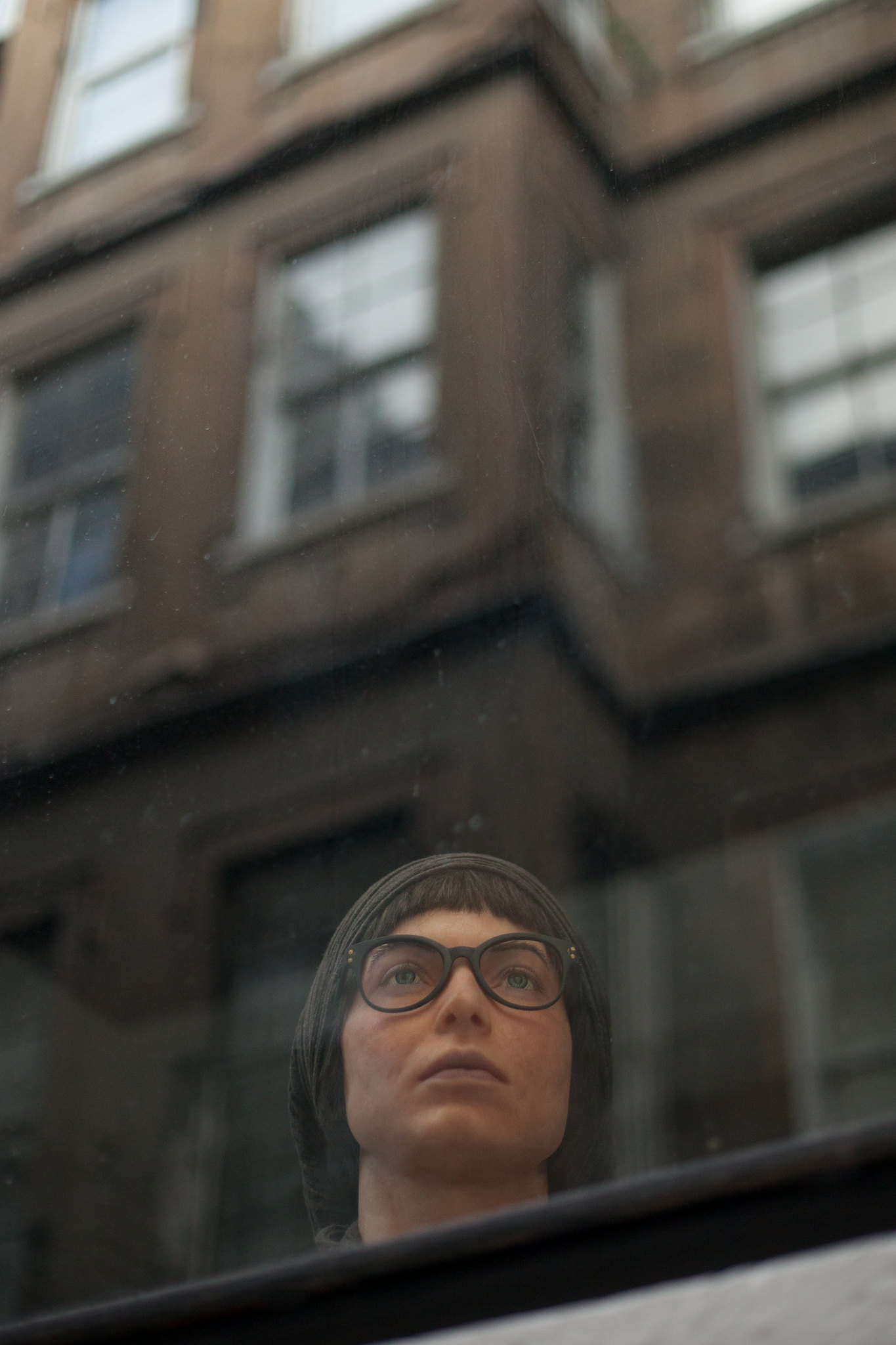
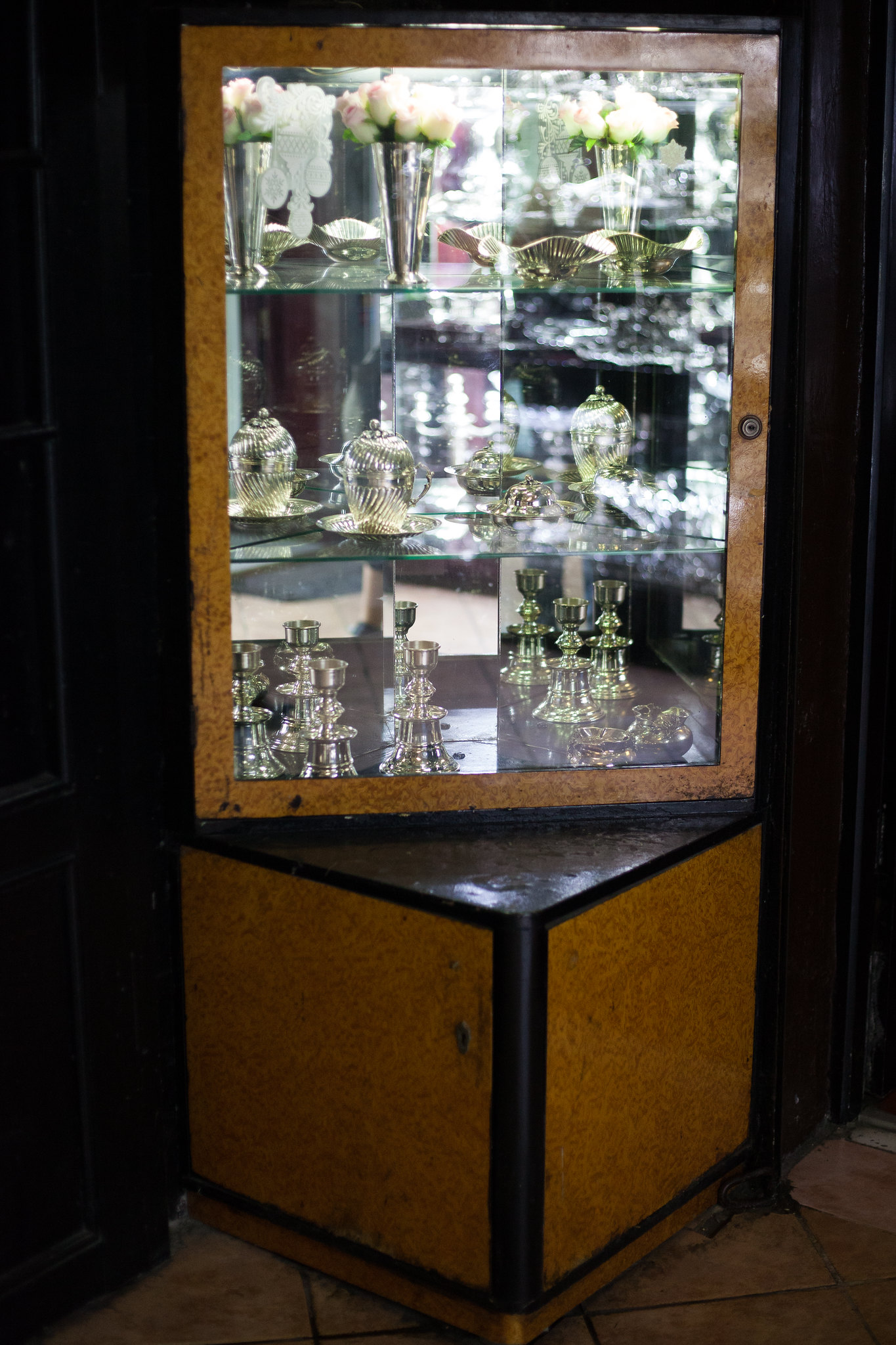
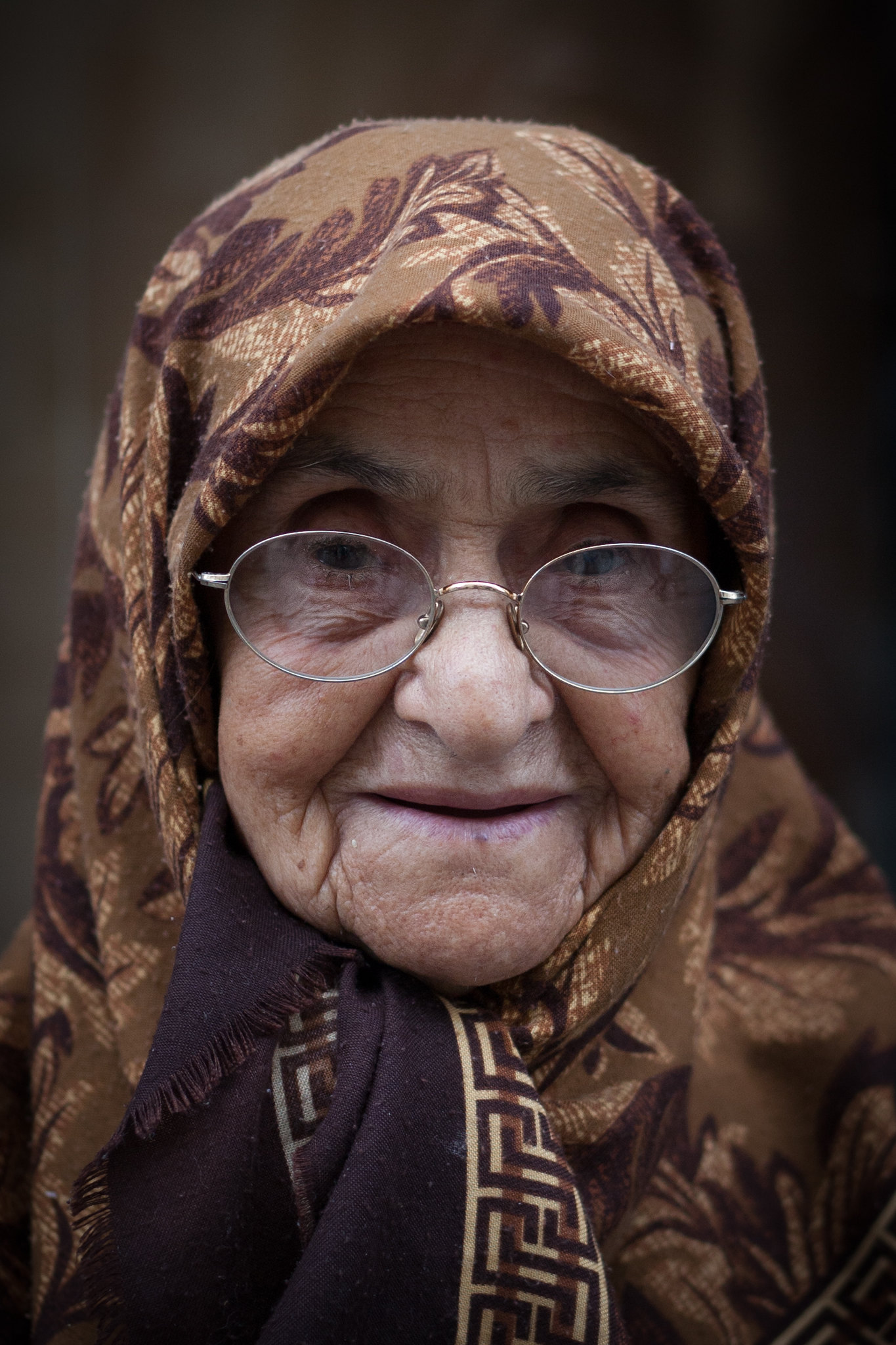
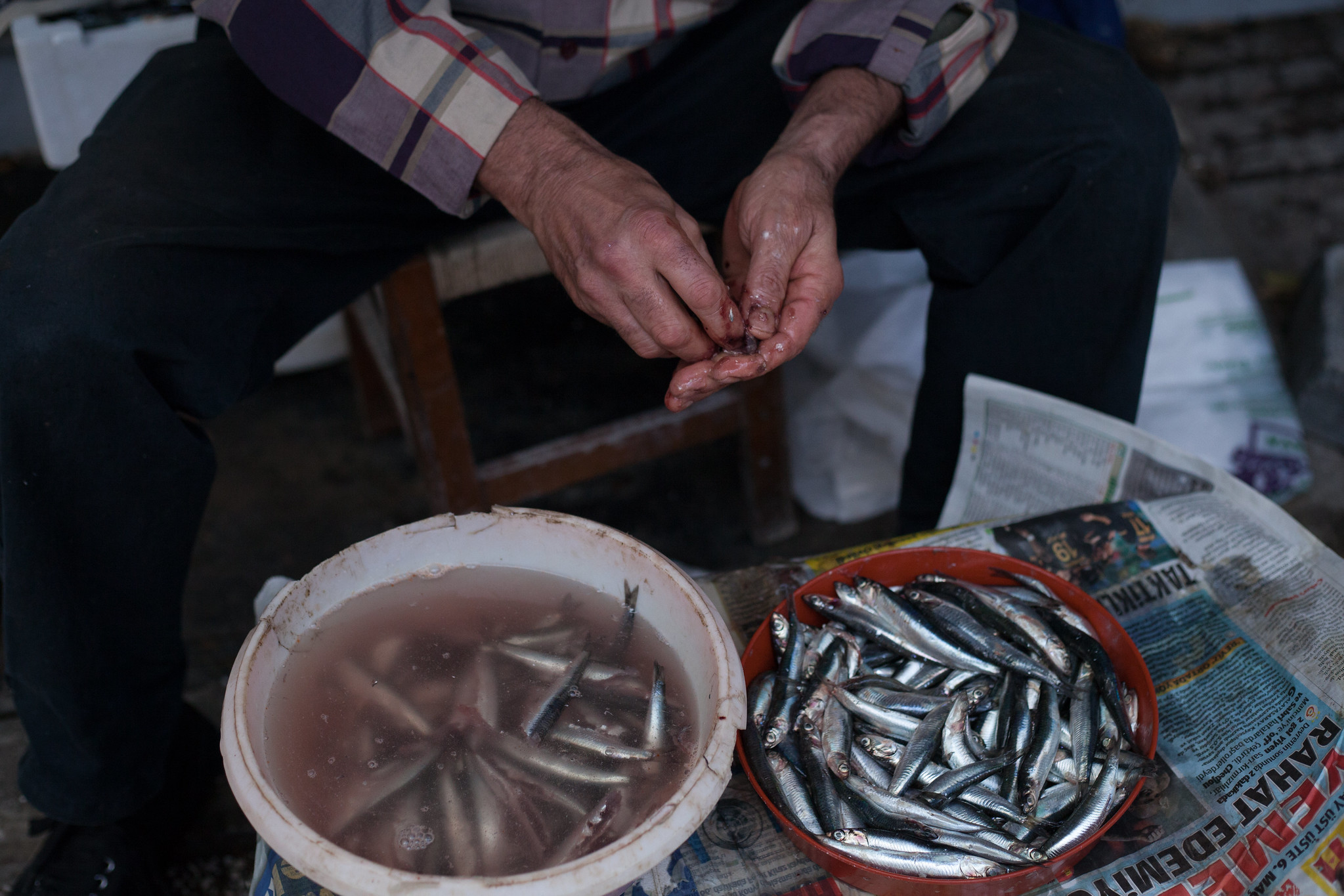
So now that I am being sucked into street photography how do I make it sit right with me? Relative to many of my neighbours I am a queen in her castle. Is it right that I should immortalise their challenges? If I was the subject of a photographer on the street it would be all too easy to capture me wind in my face, carrying too many bags, shouting at Anton and Neve as they pull in opposite directions. I wouldn't appreciate it much. But, a moment later, both kids in my arms, shopping on the floor, in a moment of remembering to slow down and draw them in, I wouldn't mind so much at all. I think if I photograph only what I find beautiful, what I can respect, what moves me (precisely the conditions I would like to be photographed under), this journey can begin. I am so lucky to live in this pot of gold of humanity.


Visit the Facebook page, the Tumblr page, the Flickr page or the Twitter page of this blog