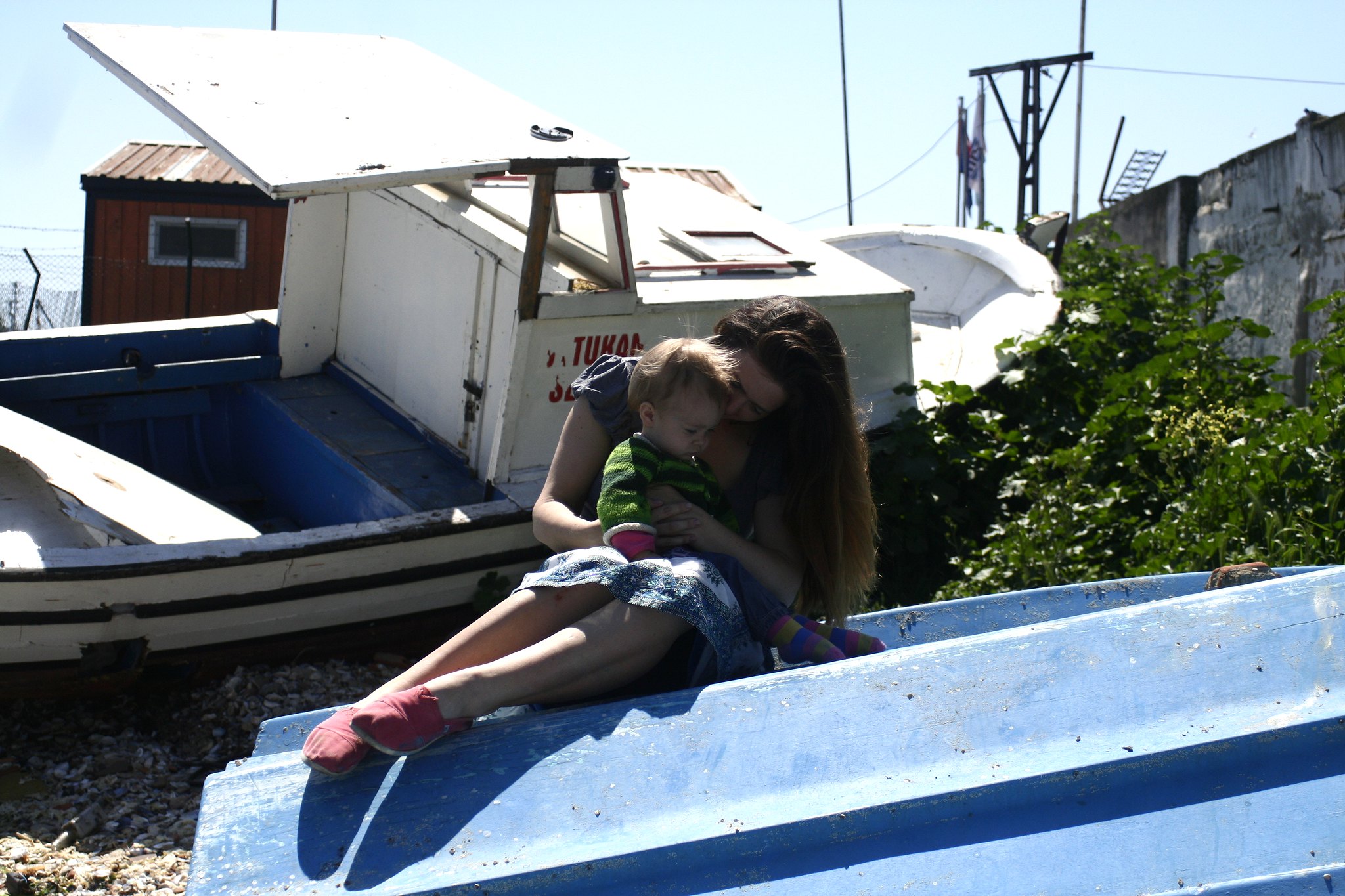
My Museum

I am currently reading Orhan Pamuk's Museum of Innocence in preparation for my second visit to the physical museum Pamuk has created, on Friday. It has got me thinking about the small objects I have that evoke a moment in time, and I realise that I have very few. I am in no way a hoarder and love clearing stuff out, but as I get older I wonder if I will want more of these little things to help me remember. A couple of precious things that would be pride of place in my museum are the two slips of paper Ville gave to me the first time we met. We were at the Amnesty International AGM in Nottingham, him from Istanbul and me from Yorkshire. Looking at them I return to that moment. Displayed in the photos below are an Amnesty International AGM voting card on which Ville wrote the name of the Turkish author Yaşar Kemal. I, desperately hoping to engage him, had told him about the Orhan Pamuk book I was reading and asked what other Turkish authors he would recommend. He wrote the pronunciation of the letter ş underneath. Now that I live with him in Turkey this letter is all around. The other slip of paper is the business card he gave me, leaving me to wrack my brains to find an excuse to use. I wrote Yaşar Kemal on the card in exactly the way he had in case I should lose the other. It is now one of the very few things that I will never pass on or throw away.

If you ever happen to read this post I would love to know what would be in your museum...

Amnesty International business card and AGM voting card.

Amnesty International business card and AGM voting card.


Visit the Facebook page of this blog

Watching Boats on the Bosphorus.

One of the things that I did to prepare for the move to Istanbul in the beginning of 2009 was read the novels of Orhan Pamuk. So, on arrival, the only the words of Turkish I knew where those that are untranslated in his texts (I still recall passages from 'My Name is Red' whenever I hear the word efendim, which, while literally meaning 'my master' is used all the time here as an invitation to speak, especially over phone) and the only facts I knew were what I had read in the Amnesty International annual report (which Ville conveniently had access to one or two copies of!). Reading Orhan Pamuk, while maybe not quite as practically useful as a language course, did give me some useful pointers on how to use my time. I knew to avoid long distance buses, and that thoughtful Istanbullites should spend many hours gazing at the boats on the Bosphorus. I knew that a certain sepia melancholia would be appropriate from time to time and was even prepared for winter journeys into an Istanbul as black (and white) as Ara Güler's. I imagined a landscape thick with books and stories. (That is not what I found.)

It is good my preparations were the complex texts of a master writer and not some chirpy advice on how to live in this city as if you were in any other. Life here quickly revealed itself to have complexities that novels have a better chance of vaccinating against the worst shocks of. Sometimes I want to shout out the absurdities of this place, but my clear thoughts quickly become as fragmented as society here, the many disparate strands of which create a web, keeping everything in its place. My outrage is too easily diluted by my fear of misunderstanding the fault lines of this city.

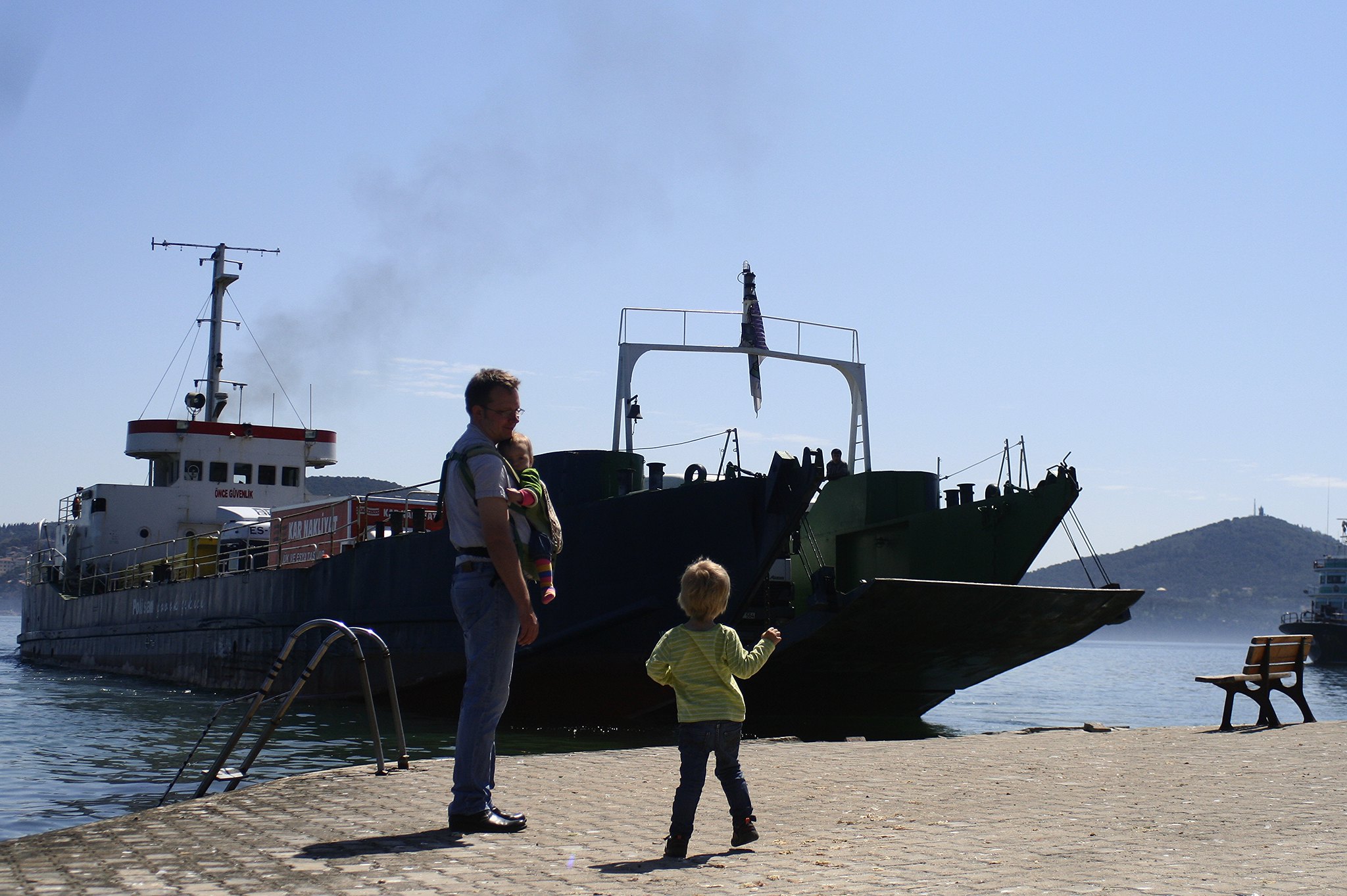
On Sunday, after a busy morning, Anton fell asleep just as we were pushing him past a very good place to watch boats on the Bosphorus, and, wanting to fulfil our obligation to stare absent-mindedly at the traffic, we took our chance. When I read Pamuk's descriptions of his boyhood boat watching I had no idea that I would be moving to the Island where he spent his summers and taking my place almost daily in boats on the Bosphorus. I didn't know that the rhythms he memorised, the straight steady progress of tankers, the criss-crossing of ferries, the loops of the smaller boats, would somehow calm my confusion in the surreality of life here. I just hope that  I can steer my way here with my indignation intact.


Look at the water Neve.

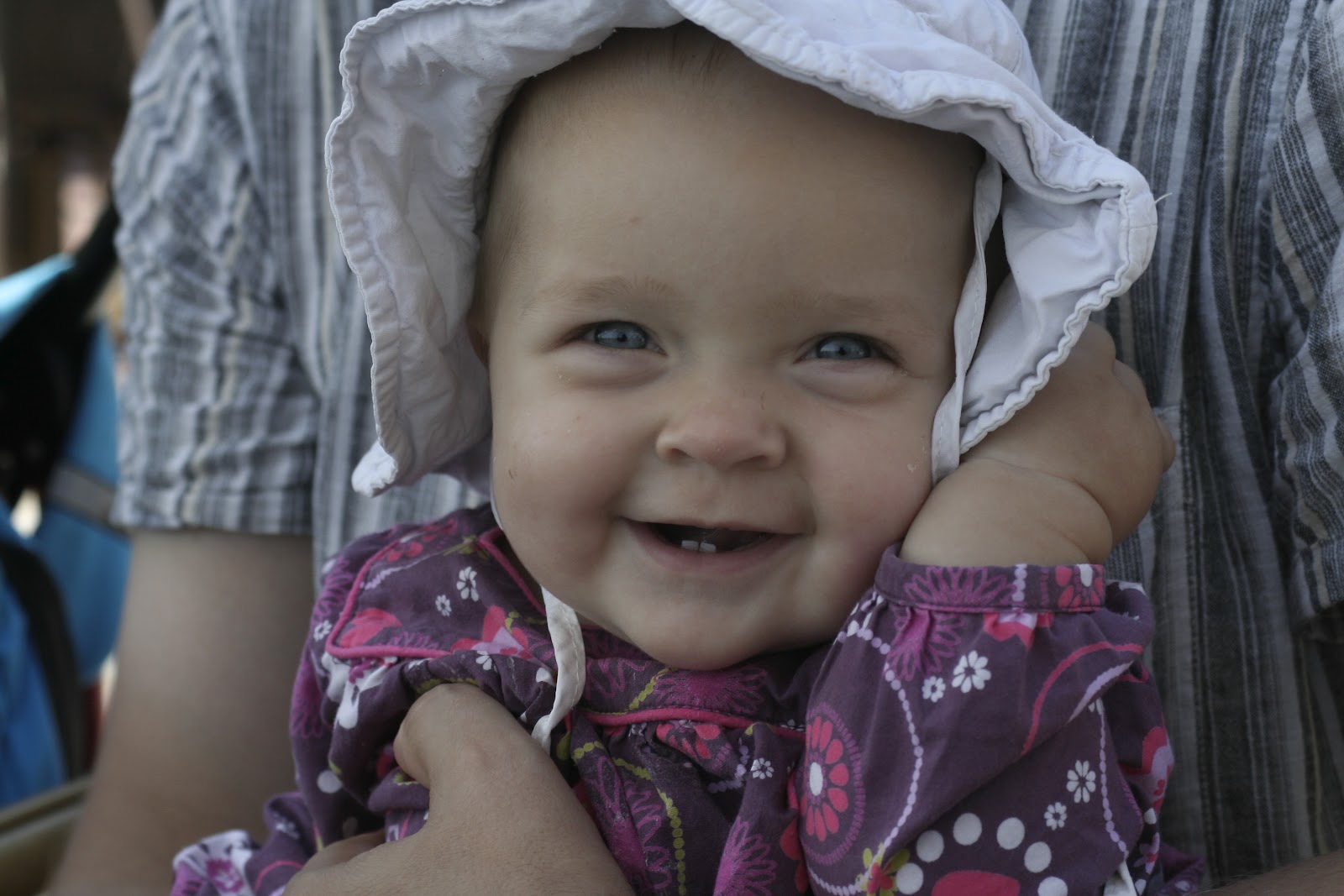
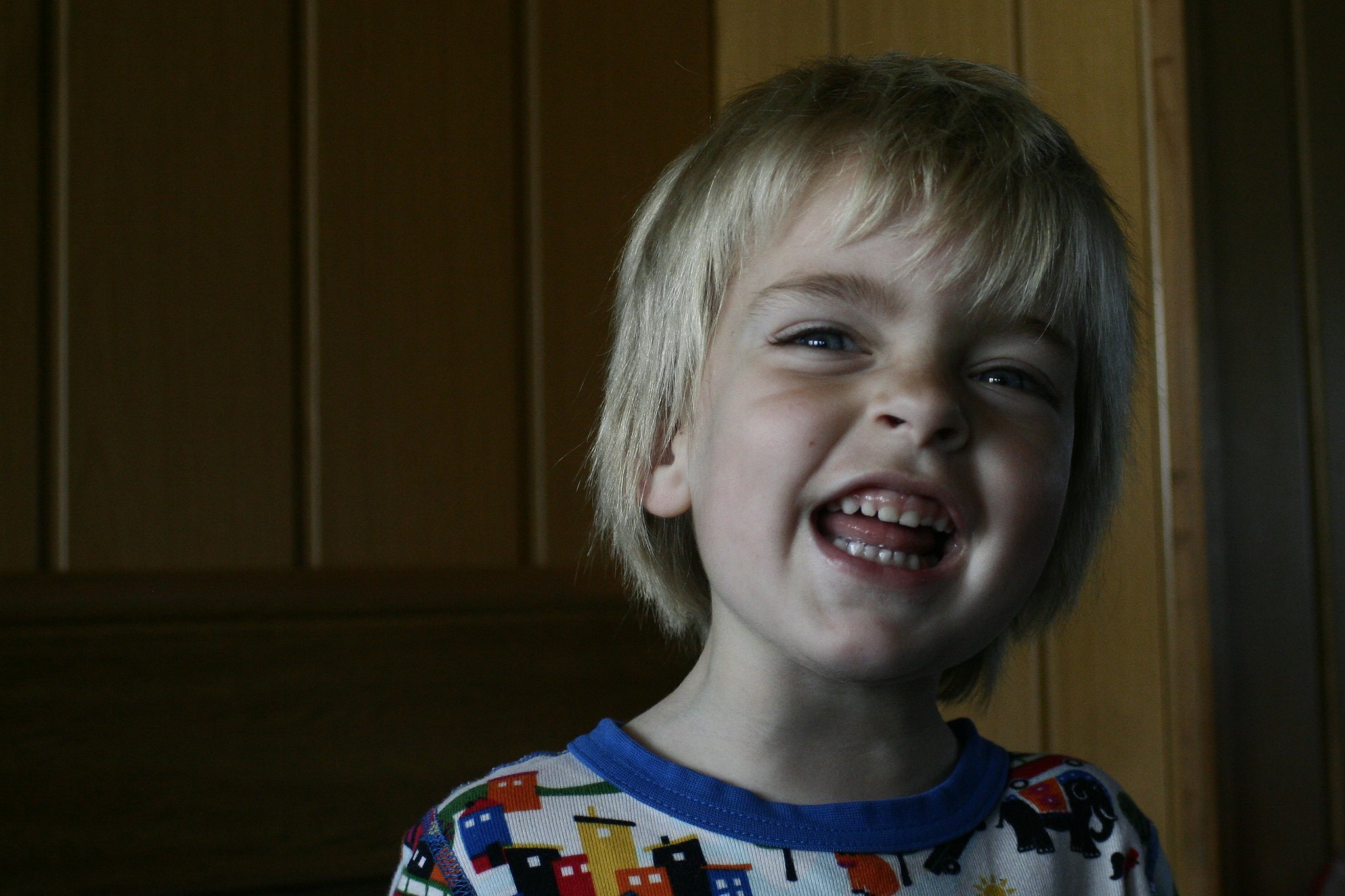
Two little teeth.

Boat traffic.

Sleeping Anton.

Dolmabahçe Cafe.


Visit the Facebook page or the Twitter page of this blog

Vapur Moods.

When I was reading lots of Orhan Pamuk in preparation for my move here, and deciding that idly watching boats on the Bosphorus would be an important use of my time, I hadn't really come to terms with how little idle time kiddos leave you. Yet now looking back over the last few years (and enjoying our last summer on the Island of Heybeliada) it feels as if vast amounts of time have been spent gazing out of boat windows at Bosphorus boat traffic and the light shifting over the historic peninsula. These acres of time are not just a feeling either. Each trip on the majestic ferryboats takes an hour and twenty minutes and I have very rarely had a week that did not contain four trips. I have nursed and carried and chased the children through hours and hours of journeys from Heybeliada to Kabataş and back again ( and then there are dozens of shorter boat trips to Büyükada to buy gas credits and Bostancı for shopping and playgroup). Matti met Anton new born and just arrived from England for the first time at the Kabataş jetty, and so it was during a vapur trip that Matti held his new sibling for the very first time.

During the three Winters we stayed on Heybeli (this last Winter we retreated to the city for comfort) the moods of the particular type of south-westerly wind known as lodos, that brings violent squalls to the Marmara Sea, became quite a character in our lives. When Anton was a few weeks old we were on a vapur caught in such bad lodos that as I sang nursery rhymes to soothe Matti and Anton the news reported a boat in danger of sinking on the Marmara Sea.

The time on the water is so precious to me because we are forced just to be. I cannot do housework or answer mails. The children have my full attention and I love to watch as theirs drifts outside the windows across the water to the landmarks that signpost our way.


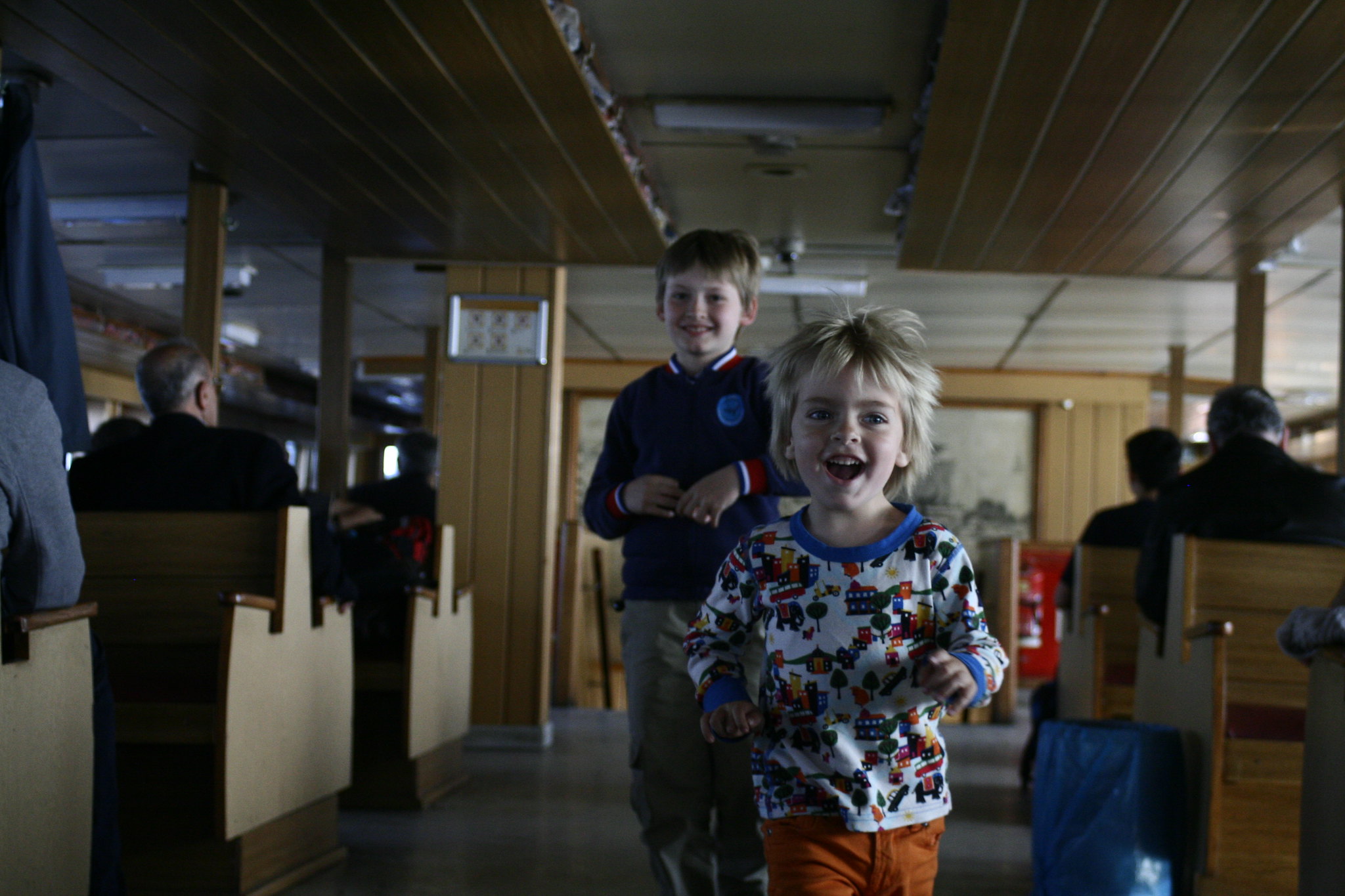
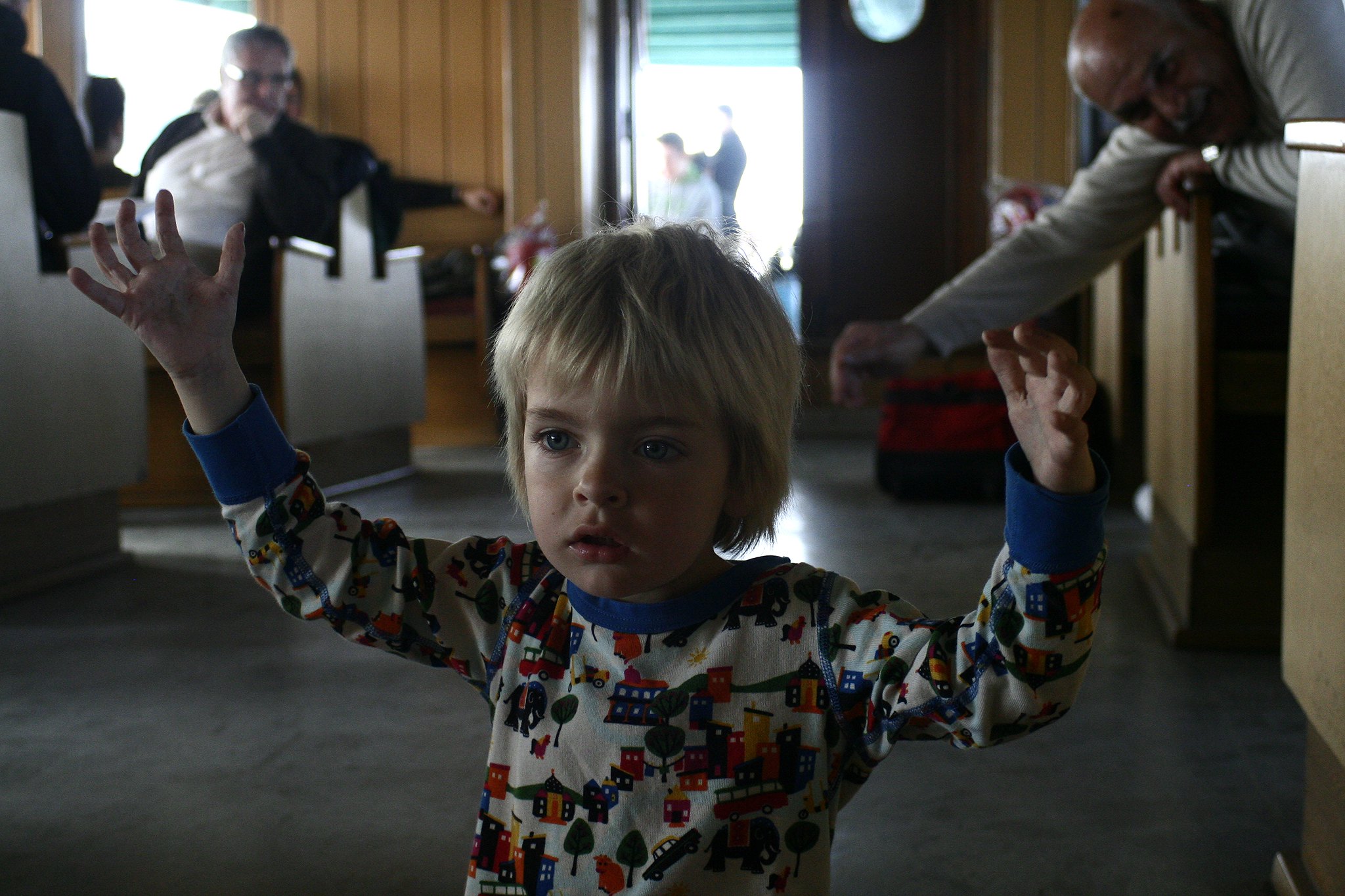
My pictures today begin with a visit to Pierre Loti, where you can ride a cable-car to one of the best views in Istanbul, and eat ice-cream in one of the prettiest cafes. We arrived as the rain began but all enjoyed how dramatic the weather made the already incredible view. Then there is Anton on the boat from Eyüp to Usküdar. The next six photographs are of Matti and Anton on the vapur to Heybeliada on Friday evening after we picked up Matti from school. The last few are of a Saturday dawdle around the boat yard at Heybeliada where you can still swim for free and buy tea for 1 TL.


The beautiful cafe at Pierre Loti.

Ruskin silhouetted against the drama of the Golden Horn.

Anton on a boat from Eyüp to Üsküdar.

Matti resting on Ruskin on the Friday 4.30 to Heybeliada.

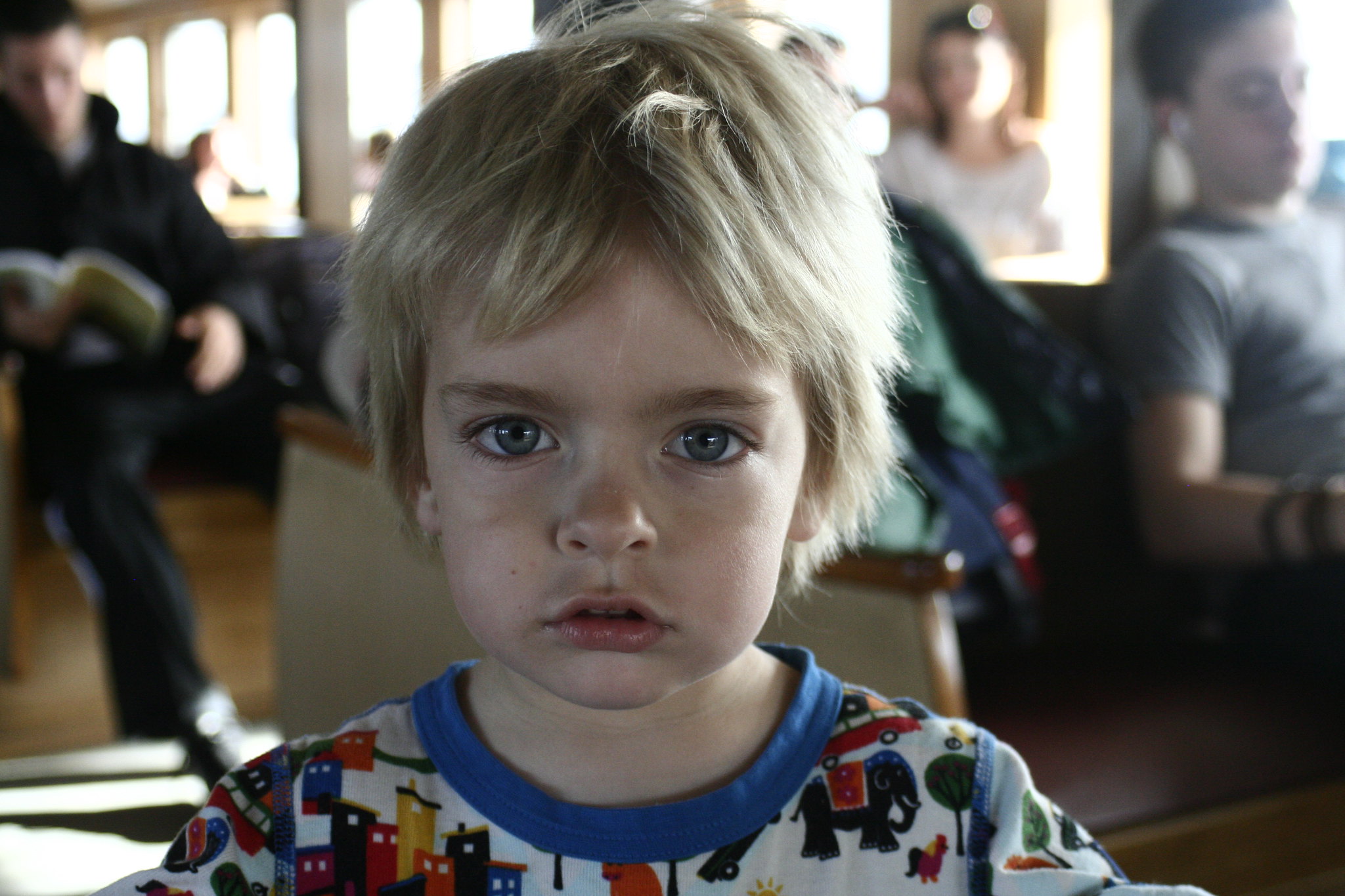
Anton on the vapur.

Anton and Matti on the vapur.

Anton on the vapur.

Anton on the vapur.

Anton on the vapur.

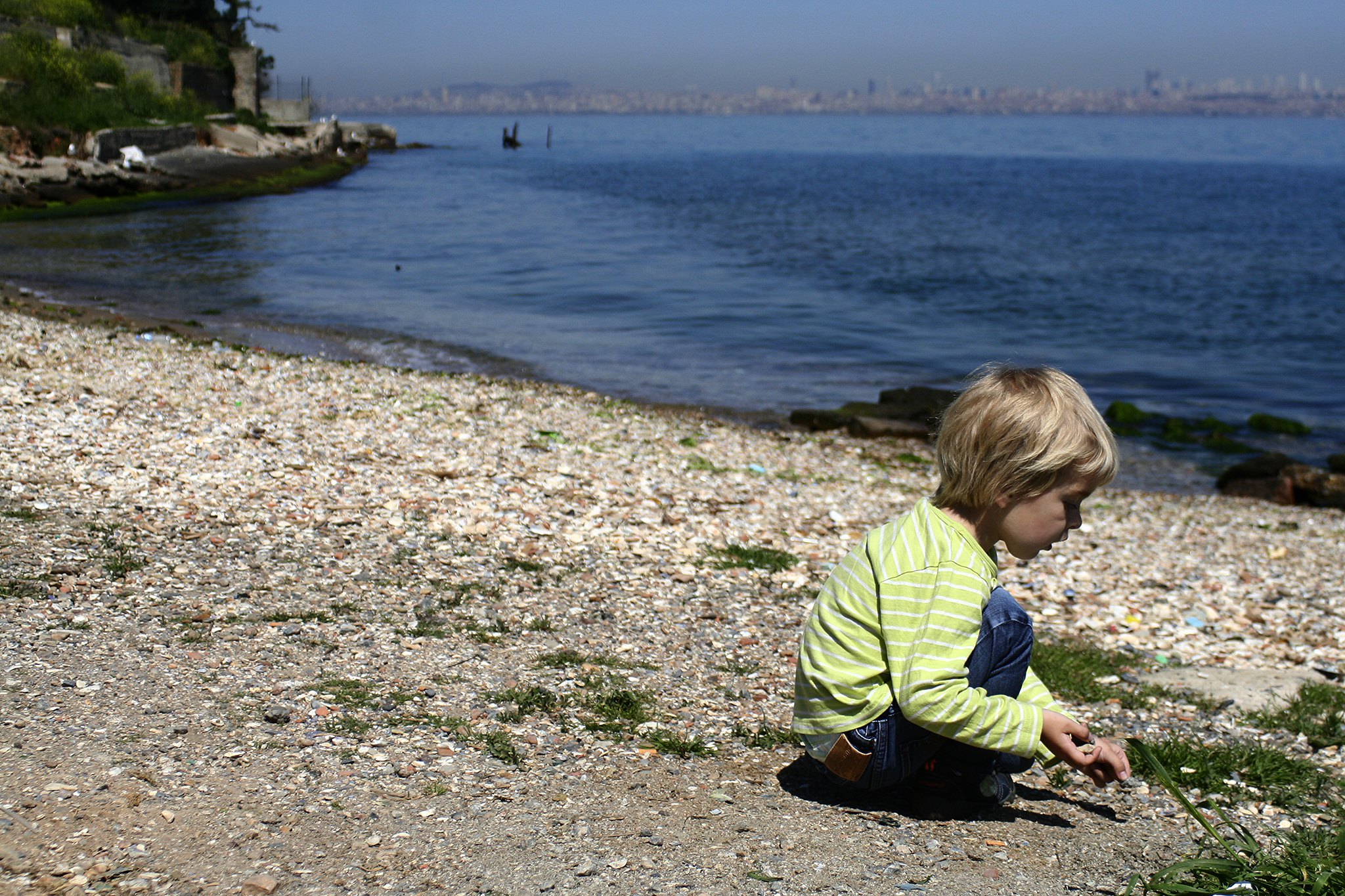
Anton by the Heybeliada boatyard.

Excitement!

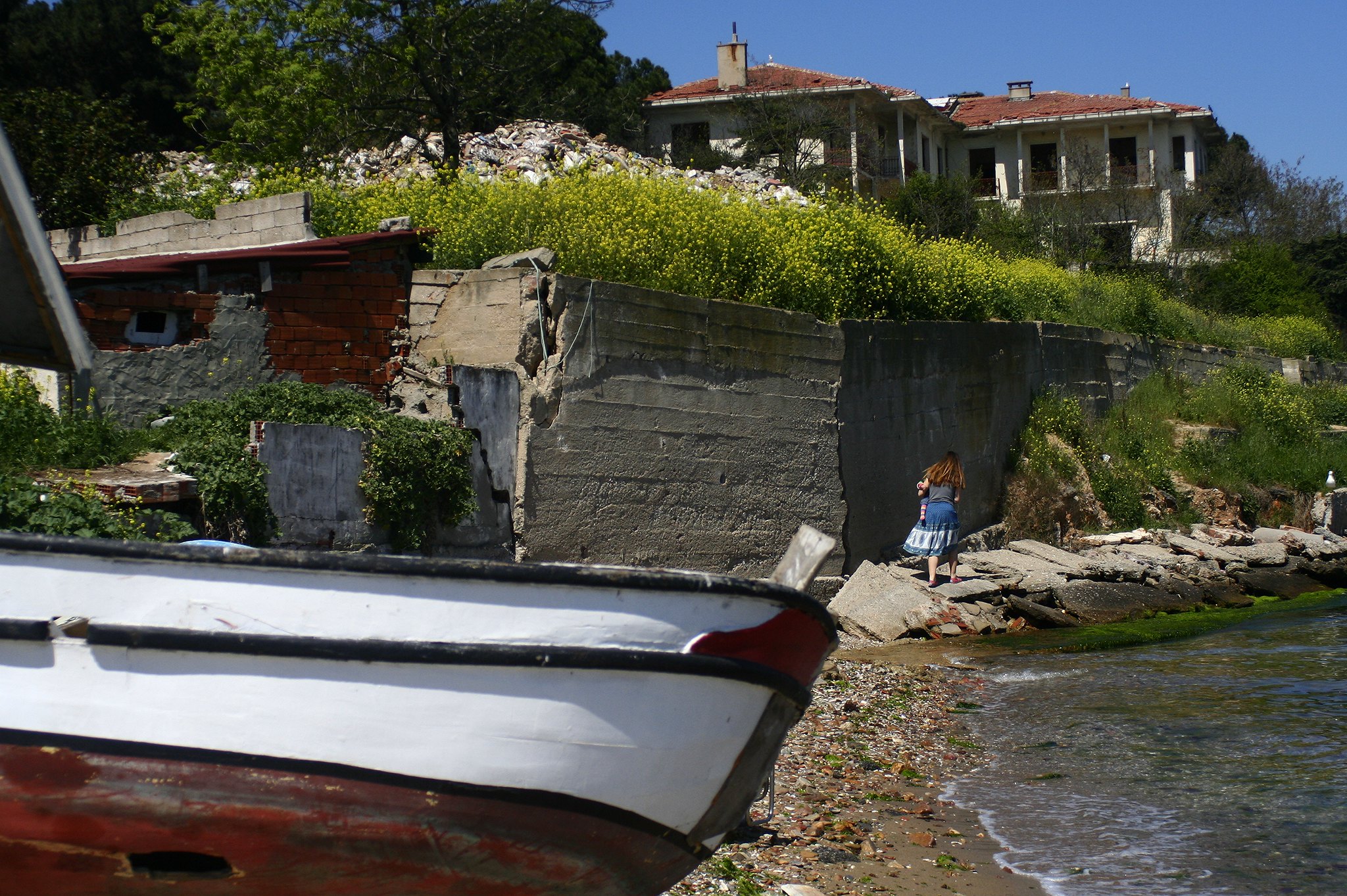
Me and Neve exploring the Heybeliada shoreline.

Me and Neve at the Heybeliada boatyard.

Visit the Facebook page, the Tumblr page, the Flickr page or the Twitter page of this blog

The Red Ribbon

I want to write a bit about the ideas Ville discussed in Raising Neve. I asked him to write about raising our daughter without a sexist attitude to her sexuality because I want us to read these posts when she is a teenager, and we are in danger of descending into conservatism! If I give in to discomfort or distaste over my daughter being sexually active, while being relaxed about my sons, I will not have rejected a continuum of related sexist ideas only a few notches from my daughters' value being derived from her virginity. And I do reject it entirely.

In the area of sexuality (as in most others) men and women are not even close to being equal. Living in the UK ideas often made sense to me simply because they were the prevailing attitudes amongst my peers. (It has to be said that those I call friends have good attitudes). The shock of moving to another culture is that, rather than enabling comparisons between them, it makes the idea that ideas have some kind of logic because many people hold them feel very flimsy indeed. Turkey may be in a different place on the continuum of ideas that include treating women as chattel, but my native country is clearly on it too. Too often women are called slags and whores for exactly the behaviour that is acceptable in men.

 In Museum of Innocence Orhan Pamuk has the upper class Turkish men visit prostitutes because the women they marry should be virgins. Women getting married in Turkey often wear a red ribbon around their waists to symbolise their virginity. Honour killings take place (in the UK too). There are crimes of 'passion' and abuse perpetrated with the pathetic excuse of jealousy in both cultures. And the residue of these ideas take hold of many couples, with many women glossing over how many sexual partners they have had, in order not to be considered 'sullied' when starting a new relationship. Men still (largely) want their girlfriends to be less experienced than they are. This notion must be dropped completely. Men must have the courage to follow the demands of equality and understand that any discomfort is their own and derives from backward ideas about ownership and breeding.

Ville felt a little self-conscious having written what he did, that people might judge him for considering such issues. But the truth is that society at large takes an unnecessary interest in monitoring and judging women's sexuality. Initial judgements about women are largely based on shallower or more sex-related factors. Women can do what men do, but the behaviour is called 'laddette' and those enjoying it considered to be on the edges of acceptability in some cultures and legitimate victims of murder in others.

These issues are quite separate from whether it is beneficial to wait for some kind of emotional maturity before embarking on sexual exploration, as this applies identically to boys and girls.

Neve, your value will be found in the unique collection of qualities that we cannot yet imagine, but are so excited to get to know. Your sexuality too should be a source of enjoyment for you, and you should be able to be all of this without being held back by conventions. I know that you will be respectful of others' feelings, and you must demand that they are respectful of yours. I hope that you will be secure in understanding your value, and not need to seek it by doing anything that makes you uncomfortable. Please know that it is absolutely right that you enjoy your sexuality and that this does not make you less virtuous in any respect. You can hold me to all of this. Parents are sometimes weak and find their convictions crushed by conventions.

Visit the Facebook page or the Twitter page of this blog

The Happiest Moment of My Life

The first chapter of Orhan Pamuk's Museum of Innocence is entitled 'The Happiest Moment of My Life'. The first sentence reads; It was the happiest moment of my life, though I didn't know it. Being in the physical museum facing the display case for this chapter, the one that contains an ear-ring and a curtain fluttering in the breeze, I began to think about what might be in mine. I also have a moment in time that I recall with happiness in which a curtain plays a part. When Ruskin (now 15) was 3 years old I was sitting in Ingleton village hall listening to Kate Rusby sing and watching him play behind a curtain. The curtain ended at the level of his knees and as he had taken off his shoes and was looking out of the window I was watching just his dancing calves. Having a small part framed in this way I felt overwhelmed by the beauty of his muscles and skin. It is the time when you are getting used to this little being who has been so close to you beginning a life that is separate. His response to the music and his thoughts were his own and I was filled with happiness and wonder that this person, having been so much part of me was beginning to take flight. That we were listening to Kate Rusby singing 'All god's angels' at the time definitely contributed to my emotion!

This happiness is of course tinged with loss and fear. It is hard to find snapshots of happiness that do not contain large doses of other, and sometimes contradictory emotions. The children make me incredibly happy but even as they are cuddling me and laughing I am looking forward to the quiet when they sleep and I can think for a moment without interruption. Just as I write this Matti appears, unable to sleep without Ville next to him. He curls around Ville and goes straight back to sleep. I once read that two things that make you happy can make you unhappy if you try to do them simultaneously. I try to remember this when I am trying to read when Matti and Anton want to involve me in a game. I should just take the happiness of the game and avoid the frustration of trying to do something that can wait. As I wrote this Anton cried out because his nappy had come loose and I stroked him back to sleep trying not to be impatient. And yet just taking happiness from the children and leaving aside other things is sometimes very hard. After having Neve I felt that coping with several more years of doing little else than childcare would actually leave my self-respect in tatters. Of course it should not, but being the facilitator that allows everyone else to develop can leave me feeling stagnant. A huge source of happiness for me is being able to talk about something I have read or seen to Ville. Another is the children's trust that I will indulge their want of me. The two are harder to combine than I thought they would be.

One of the best categories of happiness happens when you have achieved something or seen someone close to you push themselves and succeed. Today Ville is happy. It shocks me to see how different this spontaneous bubbling is from our daily decision to be grateful. He wrote to a friend today that he knows that this is one of the happiest moments of his life. I have noticed that when I am happy I tend to remember good moments, things going well and me as (reasonably!) courageous and successful. At lower moments the past seems to shift and the times of sadness worry and failure take the top recall positions. My history is rewritten by my current mood. And I forget so much so quickly. There have been so many moments with Ville and the children were I have thought 'I will never forget this moment' or 'I must never forget this moment' and I already cannot remember what I was hoping never to forget. The history of our family has been written so rapidly I want to capture some of it to keep. Neve's turn to break my train of thought and Ville is trying to stop the water pumping out of the washing machine reaching the wooden floor!

The happiness I found living alone in my tiny cottage in the Yorkshire Dales was quite different from the happiness I live in now. It was the happiness of a daily relationship with a beautiful landscape, of exercise leaving me exhausted and calm. This new happiness of love brings with it equal terror of loss. I might have once harboured a (very!) vaguely Buddhist notion that peace is best found by avoiding attachments but I have found my joy in having the courage to pin my happiness onto others and feel so attached that the edges of us blur. My heart and hope is, dangerously for me, walking outside my body in the form of Ville, Ruskin, Matti, Anton and Neve. Sickeningly sentimental and complete reality.

Since we brought Neve back to Turkey and the three children here are interacting with each other we feel as if our family has taken flight. We are not always at the centre of it any more, the children are developing relationships with each other independent of us. This makes me happy. I suppose its the beginning of the peace that will come when your role in their lives begins to retreat and you know that they will be ok without you. In the meantime I will reach out for all the happiness that is to be found in the skin of my family. I am bubblingly grateful!

Anton cuddling Neve
The beginnings of what we hope will be a life-long friendship.

Julia carrying Neve and Anton outside the Museum of Innocence
A moment of happiness outside the Museum of Innocence. Anton's cheek on my nose, two children in my arms.


Visit the Facebook page of this blog

Things to Do with Kids in Istanbul: Pierre Loti Teleferik

On our way home from Haydarpaşa Station a toddler tragedy struck. When we were walking from Taksim to Beşiktaş we arrived at the teleferik (cable car) station to find the gates closed, and a notice telling us that the cars had been removed for repair. Anton was very very sad. He was still talking about it the next day so I decided to take him on the other teleferik in the city at Pierre Loti (Piyerloti).

Pierre Loti is written Piyerloti in Turkish, just as John F. Kennedy Street in Ankara was until some years ago signposted "Can F. Kenedi Caddesi". You can find various examples of French and English words thus transliterated into Turkish, such as "Kuaför", "Kruvasan", "Vapur" and in Orhan Pamuk's "Museum of Innocence", the "Şanselize" boutique.

The excursion I planned can be one of the most pleasant and smoothest you can take in a city that can be hard work. You get on a boat at Üsküdar which takes you up the Golden Horn to Eyüp, where you walk a couple of hundred metres past beautiful historical buildings to the teleferik station. Unfortunately, my day did not go as perfectly as planned. When I got to Üsküdar I was told that the boat was currently only going as far as Kasımpaşa (the Prime Minister's neighbourhood). This is well before Eyüp and on the wrong side of the Golden Horn. Arriving there, I decided to walk. I should have known better, and I'm happy we survived. After a few minutes the pavement narrowed to nearly nothing beside a very busy road. I had to carry the pushchair while telling Anton to keep his shoulder to the wall. We got in a taxi as soon as we were able. Istanbul is not really made for the majority of its people.

Pierre Loti, being part of the Golden Horn area, and specifically the Eyüp area, is mostly inhabited by and visited by the more religious segments of society. I have really noticed that there is a better atmosphere, and more holiday feeling, at destinations that are within most people's reach. The very wealthy seem to need to exercise, or feign, a kind of disdain for the pleasures that they are privileged to afford. Sitting in the teleferik I feel moved by the excitement of the families around us. The woman next to me, who also had her son on her knee, slightly exaggerated her gestures as if she was amplifying the moment to make it easier to remember. A man carried his severely disabled sister into the car ahead of ours and her delighted presence at the top increased the general sense of joy. When I arrived, the lift was out of order so I had to carry the pushchair up the stairs while trying not to knock Neve's legs with it (she was in her sling as usual).  So the man must have had to carry his sister up before me. The cafe at the top is leafy, with red and white checked tablecloths and a wonderful view down the Golden Horn.

Rather than the relaxed boat ride I planned, our return journey began (to Anton's delight) on a bus to Eminönü. Anton slept for most of the hour we spent travelling the short distance. A man held his bag against the window to block the sun from Anton's face. His arm must have ached by the time I carried Anton and Neve out to the boat. I'm grateful to him.

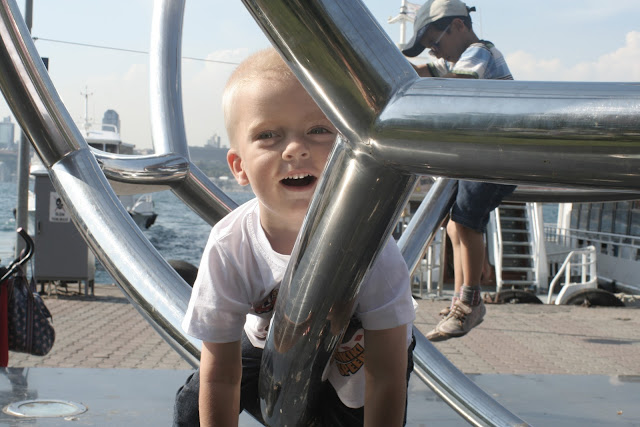
Much as Anton enjoyed the teleferik, the highlight of his day turned out to be the Football Sculpture of Üsküdar, which he played on as we waited for the boat to Beşiktaş. Actually we let three go without us, it was that good.
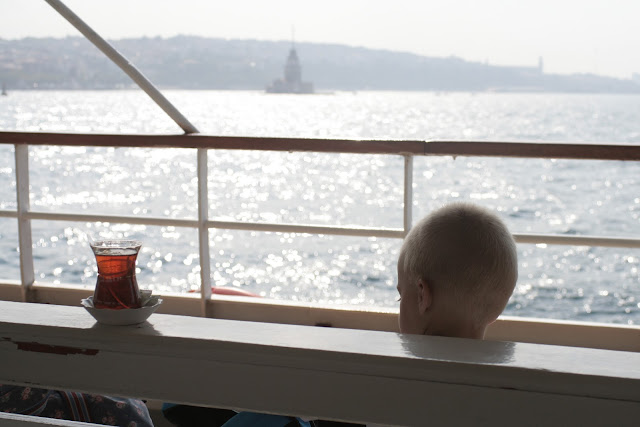

Tea for me on the boat to Kasımpaşa.

Pavements of Kasımpaşa.

Pavements of Kasımpaşa.

The view down the Golden Horn.

Ice-cream at the Piyerloti cafe.

Historical buildings in Eyüp.

The football sculpture of Üsküdar.

Visit the Facebook page or the Twitter page of this blog

Proudly powered by Blogger
Theme: Esquire by Matthew Buchanan.
Converted by LiteThemes.com.